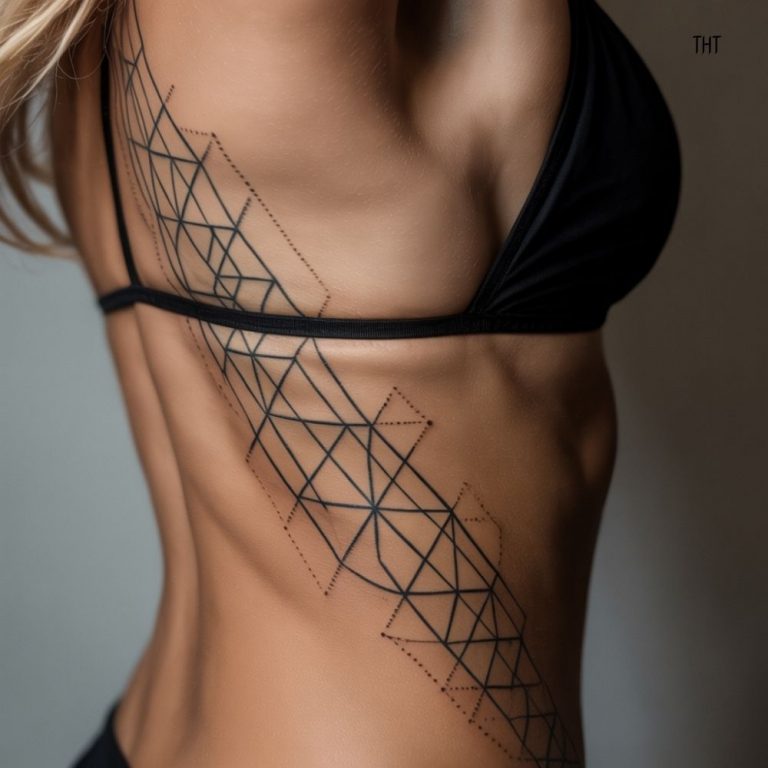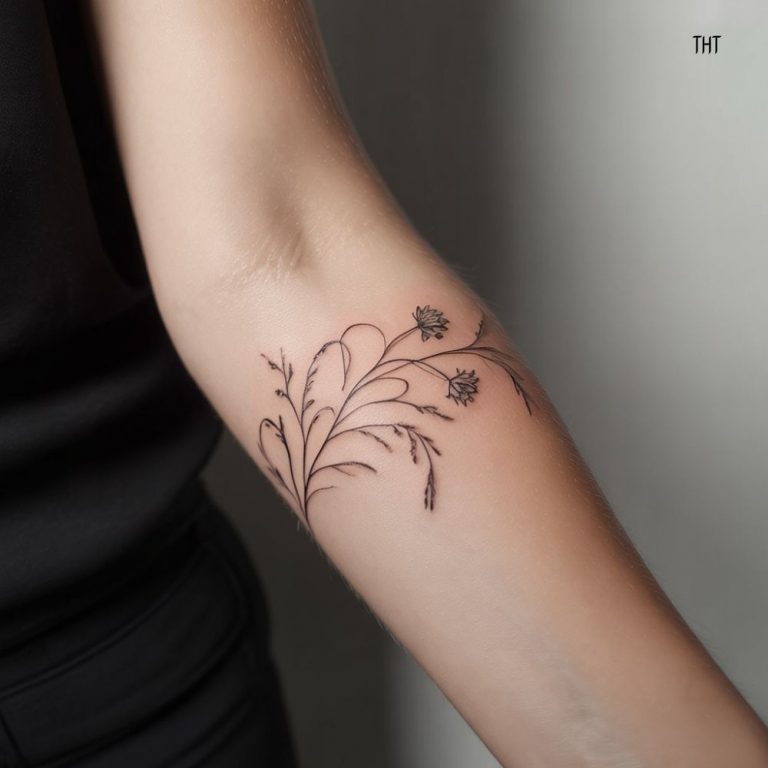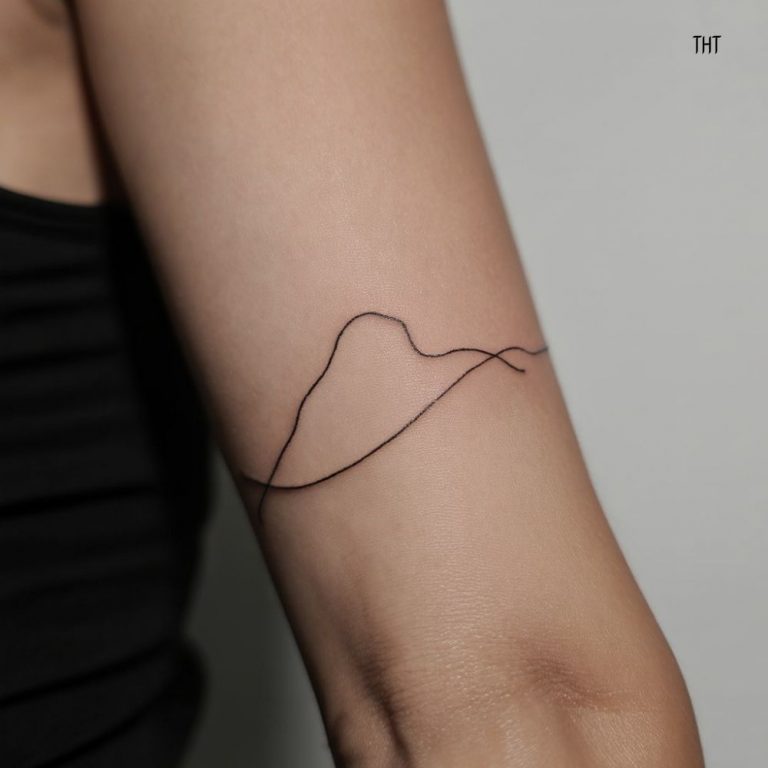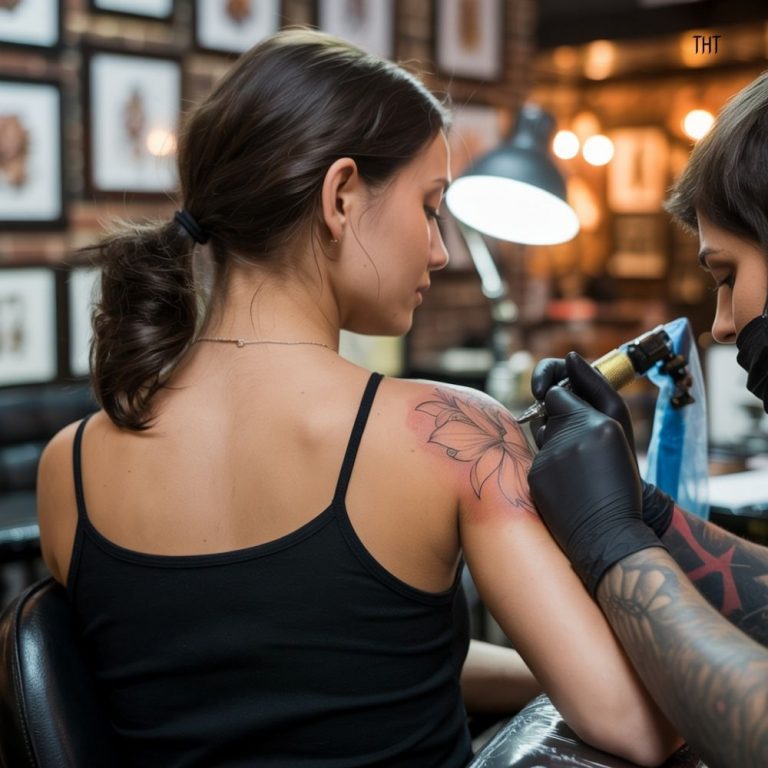
Minimalist Tattoos and the Pressure to Be Deep Without Being Loud
Minimalist tattoos are often presented as the most mature choice one can make, the visual equivalent of speaking softly while still expecting to be understood. For a long time, I believed that choosing something small and restrained automatically meant choosing something thoughtful. The appeal is obvious, especially if you are someone who dislikes spectacle or…
Minimalist tattoos are often presented as the most mature choice one can make, the visual equivalent of speaking softly while still expecting to be understood. For a long time, I believed that choosing something small and restrained automatically meant choosing something thoughtful.
The appeal is obvious, especially if you are someone who dislikes spectacle or feels uncomfortable taking up too much visual space, because minimalist tattoos promise meaning without noise and intention without explanation.
What rarely gets discussed, however, is the quiet pressure that comes with that promise, because once you choose subtlety, you are often expected to justify it with depth.
A minimalist tattoo is not allowed to simply exist; it is meant to imply intelligence, emotional control, and a kind of inner clarity that often does not align with real life. Living with minimalist tattoos has taught me that the pressure is not about size or style, but about the assumption that quiet automatically equals profound.
Why Minimalist Tattoos Feel Like the “Right” Choice
Minimalist tattoos tend to attract people who want to make careful decisions, especially those who are uncomfortable with the idea of permanence being mistaken for impulsiveness.
There is a sense that choosing something small, simple, or understated is a way to prove that you have thought things through, that you are not being swept up in aesthetics or trends, even if those trends are what introduced the idea in the first place.
For many of us, minimalist tattoos feel like the safest entry point, because they promise meaning without risk and expression without excess. They allow you to say, “This matters to me,” without feeling like you are announcing it to the entire room.
At the decision stage, minimalist tattoos feel calm, rational, and controlled, which can make them feel inherently more serious than larger or more visually complex designs.
The Internet Narrative Around Minimalism and Meaning
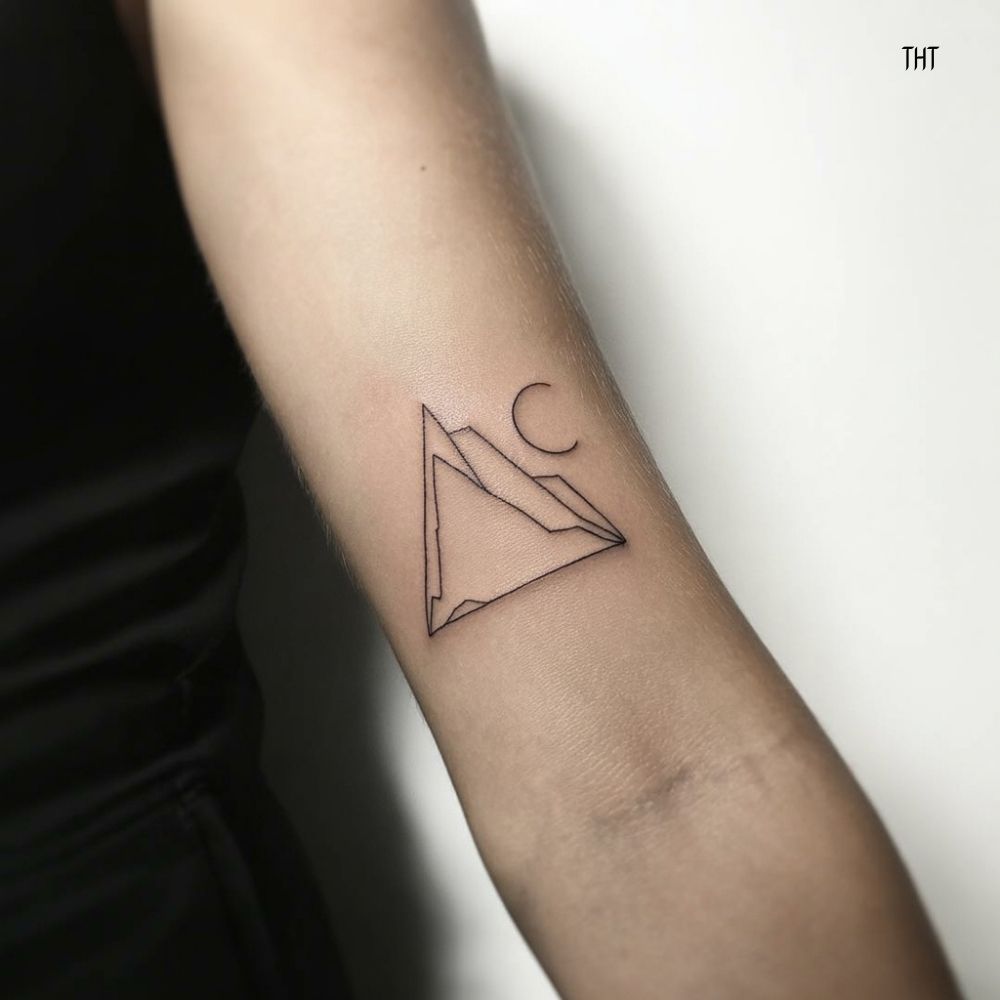
Online, minimalist tattoos are often framed as the thoughtful alternative to louder forms of self-expression, positioned as evidence of emotional maturity rather than personal taste.
The narrative suggests that choosing restraint means you have nothing to prove, that your depth speaks for itself, and that the meaning of your tattoo is so personal it does not need explanation.
This framing creates an expectation that minimalist tattoos are not only subtle, but also profound, as if small scale requires large significance in order to justify its existence.
What gets lost in this narrative is the fact that not every tattoo needs to carry philosophical weight, and that minimalism as a visual style does not automatically translate to emotional clarity or personal insight.
Living With a Tattoo That Is Expected to Be “Quietly Meaningful”
Once the tattoo becomes part of your body, the pressure to be deep does not disappear, but it does change shape. Instead of worrying about whether the tattoo looks right, you may start to notice how often people assume it has a specific kind of meaning, even when you did not intend it to.
I have found that minimalist tattoos are often interpreted as deliberate in a way that feels slightly misaligned with reality, because sometimes the choice was simply aesthetic, situational, or practical.
There is an unspoken assumption that if something is small and restrained, it must be carefully loaded with symbolism, and that assumption can feel strangely limiting once you realize you do not always want to perform depth on demand.
Over time, I became aware that I felt a subtle obligation to treat my minimalist tattoos as more significant than they actually felt, because the meaning they held was quieter, less defined, and less interested in being articulated.
The Difference Between Quiet Meaning and Forced Depth
There is an important distinction between a tattoo that holds quiet meaning and one that is burdened with forced depth, and living with minimalist tattoos has made that difference more visible to me over time.
Quiet meaning feels natural, flexible, and unbothered by interpretation, while forced depth feels tense, as if the tattoo needs to earn its place through explanation.
When a tattoo is allowed to be small and simple without carrying the expectation of profundity, it often ages better emotionally, because it does not have to stay aligned with a specific narrative.
On the other hand, when minimalism is used as a stand-in for depth, the tattoo can start to feel heavier than intended, not because of its size, but because of the story it is expected to tell.
How Time Changes the Relationship With Minimalist Tattoos
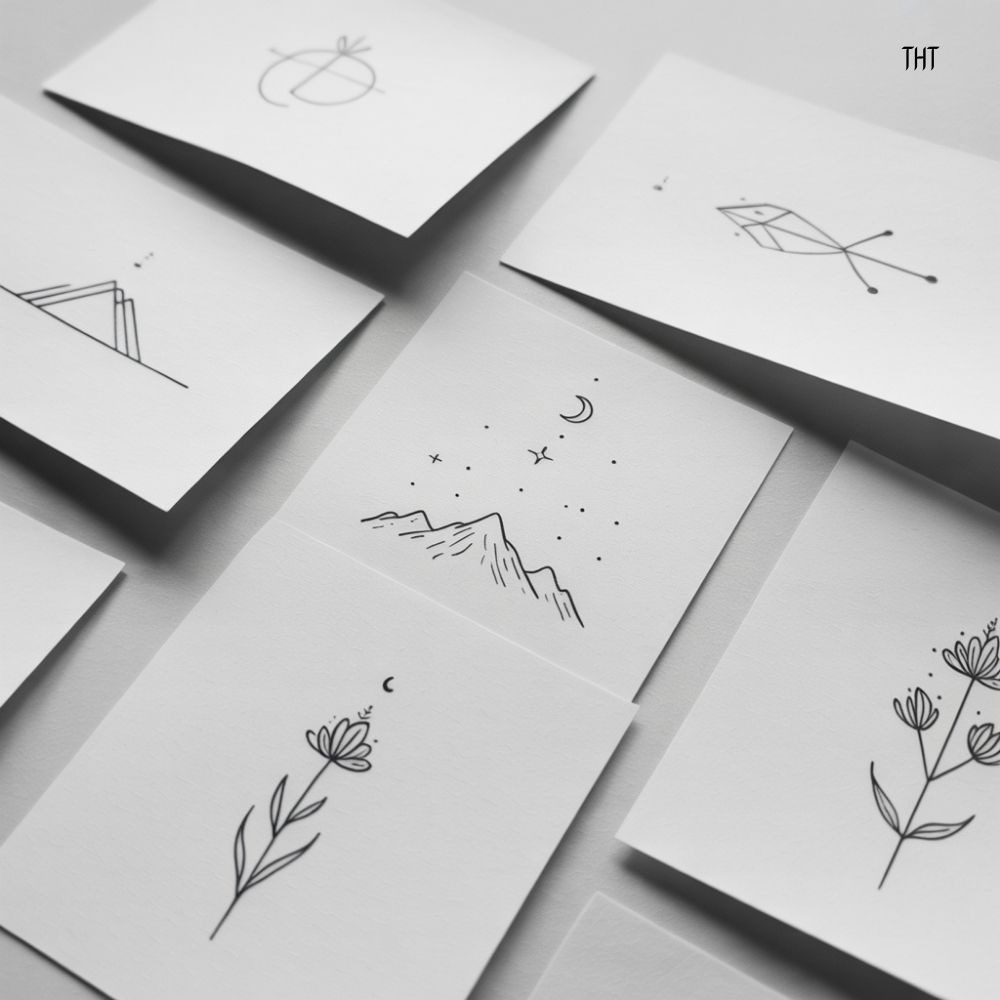
As time passes, the visual subtlety of minimalist tattoos often becomes less noticeable, which can either feel reassuring or unsettling depending on what you expected from them.
For me, the fading of attention was not a loss, but a relief, because it allowed the tattoo to settle into familiarity rather than remaining a point of focus.
Emotionally, this shift can be grounding, because it removes the pressure to constantly assign or reaffirm meaning. The tattoo becomes part of your body’s landscape rather than a message you are responsible for communicating, which is often when it starts to feel most honest.
In that sense, minimalist tattoos tend to work best when they are allowed to become background rather than remaining symbolic foreground.
Expectation vs Reality
I expected minimalist tattoos to feel effortlessly meaningful, as if choosing subtlety would automatically align with how I think and move through the world, but the reality was more nuanced. The tattoo itself was never the problem; the expectation that it needed to carry a certain kind of depth was.
What I learned is that meaning does not scale with size, and that quiet does not always mean deep in the way the internet defines depth. Sometimes, quiet simply means contained, and contained does not require justification.
Once I stopped expecting the tattoo to represent emotional sophistication, it became easier to appreciate it for what it actually was.
Who This Tattoo Style Is For
Minimalist tattoos work well for people who are comfortable letting meaning remain undefined, and who do not need their tattoos to communicate identity, growth, or emotional milestones to others.
This style suits those who value visual restraint for its own sake, and who are content allowing their tattoos to blend into their lives rather than stand apart from them.
If you want your tattoo to feel unmistakably expressive, emotionally anchored, or visually assertive, minimalist designs may feel unsatisfying over time, especially if you are sensitive to the expectation that subtle choices should automatically imply depth.
This style can be frustrating for anyone who prefers clarity over implication, or who does not want to feel responsible for carrying quiet symbolism.
Conclusion
Minimalist tattoos are not inherently deeper than larger or louder designs, but they are often treated as if they should be, which creates a pressure that has very little to do with ink and everything to do with expectation.
Living with them has taught me that subtlety works best when it is chosen for comfort rather than credibility, and when meaning is allowed to exist without performance.
When minimalist tattoos are freed from the obligation to be profound, they become easier to live with, because they are finally allowed to mean exactly what they do.