A Tattoo I Don’t Regret, But Wouldn’t Choose Again
When people talk about tattoo regret, the conversation usually moves very quickly toward extremes, either framed as deep remorse or unwavering satisfaction, as if living with a tattoo only allows for two emotional outcomes. What I have found more common, and far less discussed, is the middle space, where a tattoo feels acceptable, familiar, and…
When people talk about tattoo regret, the conversation usually moves very quickly toward extremes, either framed as deep remorse or unwavering satisfaction, as if living with a tattoo only allows for two emotional outcomes.
What I have found more common, and far less discussed, is the middle space, where a tattoo feels acceptable, familiar, and even quietly appreciated, while still not being something you would actively choose again if you were making the decision today.
This is one of those tattoos for me, not a mistake and not a lesson learned the hard way, but a choice that made sense at the time and no longer feels relevant in the same way, which has turned out to be its own kind of clarity.
The Tattoo and the Moment It Entered My Life
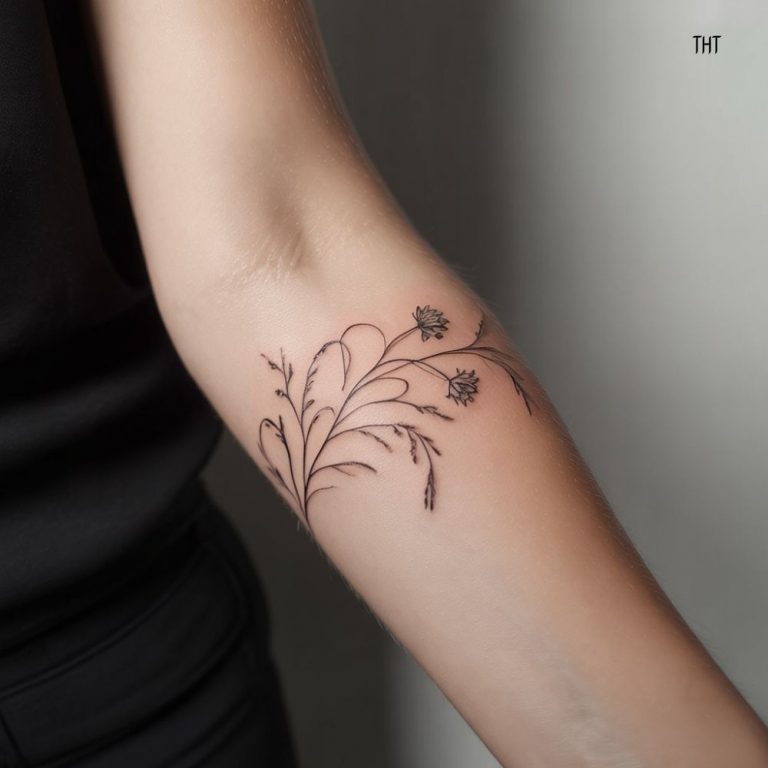
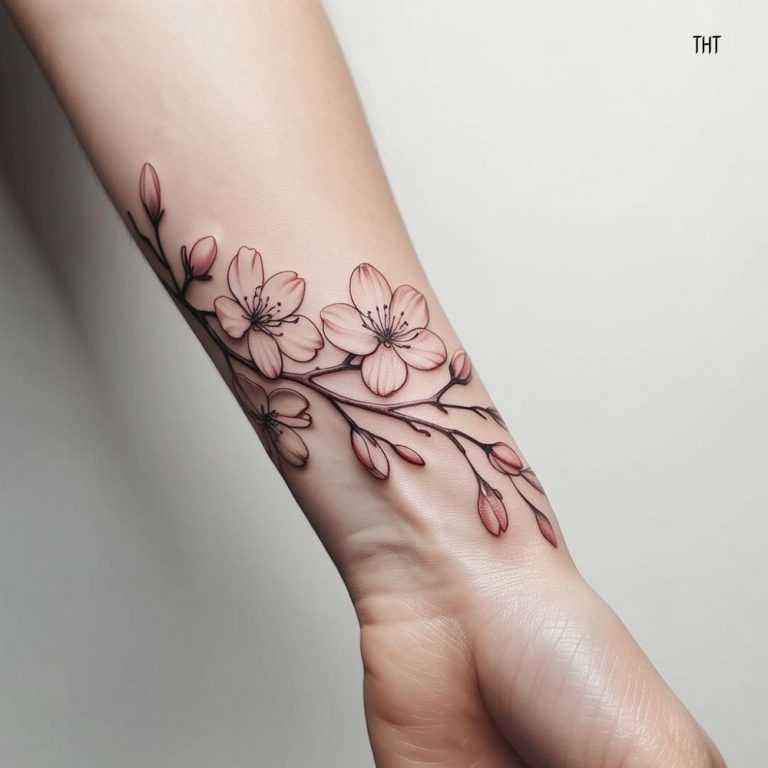
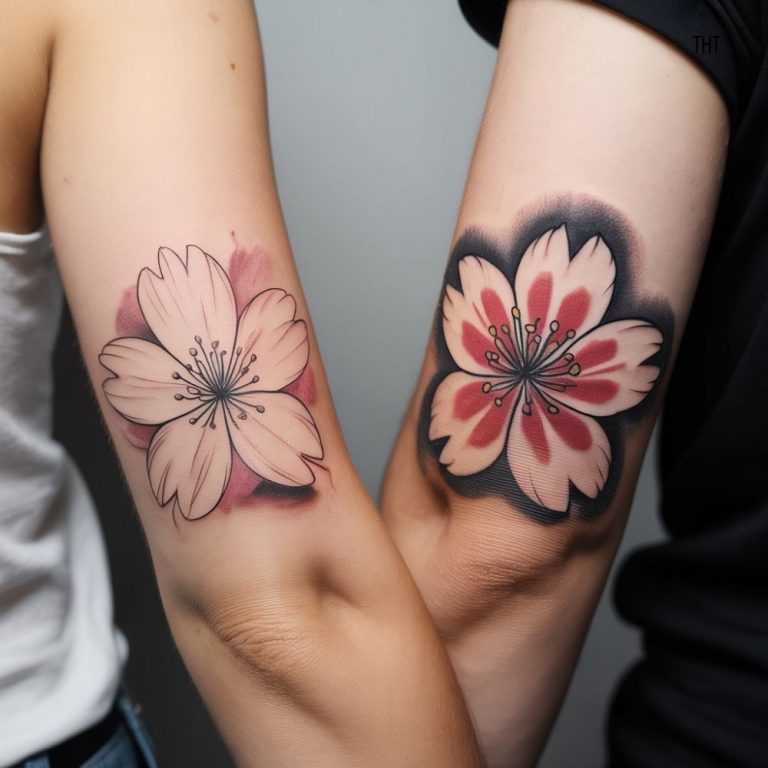
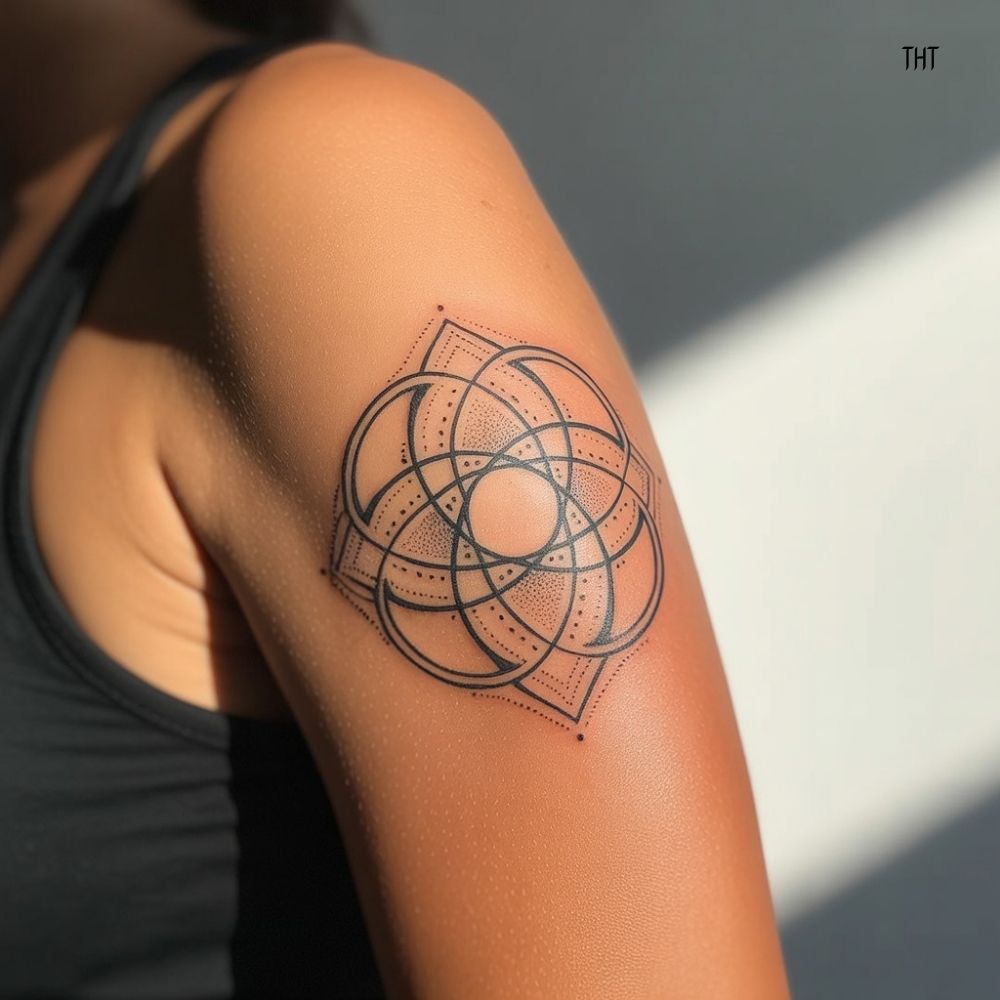
The tattoo is medium in size and placed on the outer part of my upper arm, visible enough that I notice it regularly, but not positioned in a way that feels exposed or performative.
It is a simple illustrative design rather than text, composed of clean lines with light shading, and when I got it, I was drawn to how complete it felt as an image, as if it already knew what it wanted to be without needing much interpretation.
The decision happened during a period when I was saying yes to things more easily, partly because I had just come out of a phase of overthinking everything, and partly because I wanted to trust myself to act without constant internal debate.
I remember the appointment feeling efficient and practical rather than emotional, and I walked out of the studio feeling satisfied, not exhilarated, which at the time felt like a sign that I had made a mature decision.
Why It Made Sense Then
At that point in my life, this tattoo aligned well with how I understood myself, both aesthetically and emotionally. I liked the clarity of the design, the way it communicated something without requiring explanation, and the fact that it felt grounded rather than aspirational.
It matched the version of myself who valued decisiveness and wanted visible markers of commitment, even if I could not have articulated that motivation clearly.
There was nothing rushed or careless about the choice, and that is important to say, because not choosing it again does not mean it was wrong. It means it belonged to a specific mindset that no longer feels active in the same way, which is something tattoos do not warn you about in advance.
When the Relationship Shifted Without Drama
What makes this tattoo different from others I have written about is that there was no clear moment when my feelings toward it changed, no sudden realization or emotional turning point that forced a reevaluation.
Instead, the shift happened gradually, almost invisibly, as I noticed that I no longer felt particularly connected to what the tattoo represented, even though I still felt comfortable having it.
I did not stop liking it, and I did not start disliking it either, which is why the absence of regret feels important here. The tattoo did not become a problem, but it also did not continue to feel like a choice I would actively make again, and sitting with that neutrality took longer than I expected.
The Difference Between Regret and Irrelevance
I think we often mistake irrelevance for regret, especially when it comes to permanent decisions, because we expect our choices to remain emotionally aligned with us indefinitely.
With this tattoo, the meaning did not disappear, but it stopped feeling necessary, which is not the same thing as feeling wrong.
The tattoo became part of my visual landscape rather than part of my identity, and once I recognized that distinction, the tension I felt around it softened.
I did not need to justify it, explain it, or reframe it as meaningful in new ways, because it no longer required that kind of engagement.
Why I Wouldn’t Choose It Again Now
If I were making the decision today, I know I would hesitate, not because the tattoo is poorly done or emotionally charged in a negative way, but because my relationship with permanence has changed.
I am less interested now in marking certainty, and more interested in leaving room for ambiguity, which this tattoo does not fully allow.
At the time, the design felt complete, even closed, which was reassuring then and feels slightly restrictive now.
My current preferences lean toward tattoos that feel open-ended, either in placement, scale, or interpretation, and this one feels more resolved than I would choose at this stage of my life.
What This Tattoo Taught Me About Neutral Acceptance
Living with a tattoo I would not choose again has taught me that acceptance does not require enthusiasm, and that permanence does not demand ongoing emotional investment.
The tattoo does not ask anything from me, and I do not ask anything from it, which has created a surprisingly peaceful coexistence.
This experience has also made me more cautious about framing tattoos as lifelong reflections of who we are, because even thoughtful decisions can outgrow their relevance without becoming mistakes. Not every tattoo needs to evolve with you, and some are simply allowed to stay where they are, both physically and emotionally.
A Different Kind of Satisfaction
There is a quieter kind of satisfaction that comes from realizing you can live comfortably with a choice even after it stops aligning with your current self. This tattoo has given me that perspective, showing me that permanence does not require constant reaffirmation in order to be valid.
I do not feel attached to it in the way I once did, but I also do not feel burdened by it, which has shifted how I think about future tattoo decisions.
I am less concerned now with choosing something that will always feel right, and more concerned with choosing something that I will be able to accept gracefully if it stops feeling relevant.
Conclusion
This tattoo is not one I regret, but it is also not one I would choose again, and learning to hold both of those truths at the same time has been unexpectedly grounding.
It has shown me that satisfaction does not always look like enthusiasm, and that living well with a tattoo sometimes means allowing it to fade into the background without trying to rewrite its meaning.
In that sense, this tattoo has earned its place not by continuing to feel relevant, but by teaching me that acceptance can be quieter, steadier, and far more durable than constant alignment ever could be.