Why Some Tattoo Styles Feel Honest Longer Than Others
I used to think tattoo longevity was mostly about technical quality, about whether the lines would hold, the shading would soften well, or the placement would age kindly, but the longer I live with tattoos, the more I realize that emotional longevity follows a completely different logic. Some tattoo styles continue to feel honest long…
I used to think tattoo longevity was mostly about technical quality, about whether the lines would hold, the shading would soften well, or the placement would age kindly, but the longer I live with tattoos, the more I realize that emotional longevity follows a completely different logic.
Some tattoo styles continue to feel honest long after the moment that inspired them has passed, while others begin to feel oddly misaligned, not wrong exactly, but no longer reflective of how I actually live inside myself.
This difference has very little to do with trends or skill and much more to do with how certain styles interact with change, because tattoos do not just age on skin, they age inside context, memory, and identity.
Over time, I have become less interested in which styles look timeless and more interested in which ones remain truthful without asking me to stay the same person forever.
What I Mean When I Say a Tattoo Feels “Honest”
When I talk about honesty in tattoo styles, I am not referring to symbolism, depth, or how meaningful a design sounds when explained, because those qualities can feel convincing long before they are tested by time.
Honesty, in this context, is about whether a tattoo continues to feel proportionate to who you are, even as your life becomes quieter, more complicated, or less defined by clear narratives.
An honest tattoo does not insist on emotional intensity long after that intensity has passed, and it does not require reinterpretation to stay relevant. It feels comfortable during ordinary days, not just during moments of confidence or reflection.
Styles That Leave Room for Change
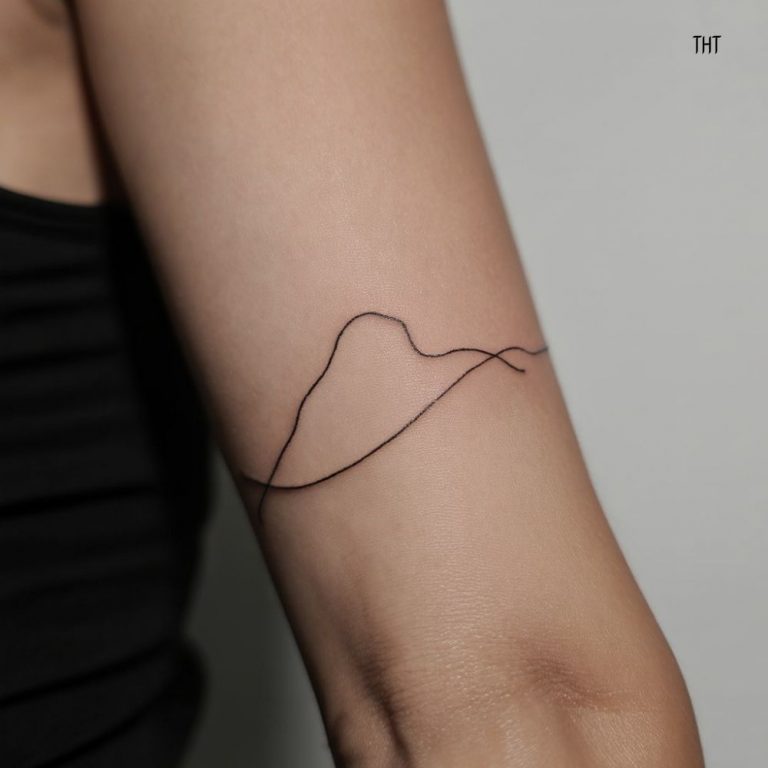
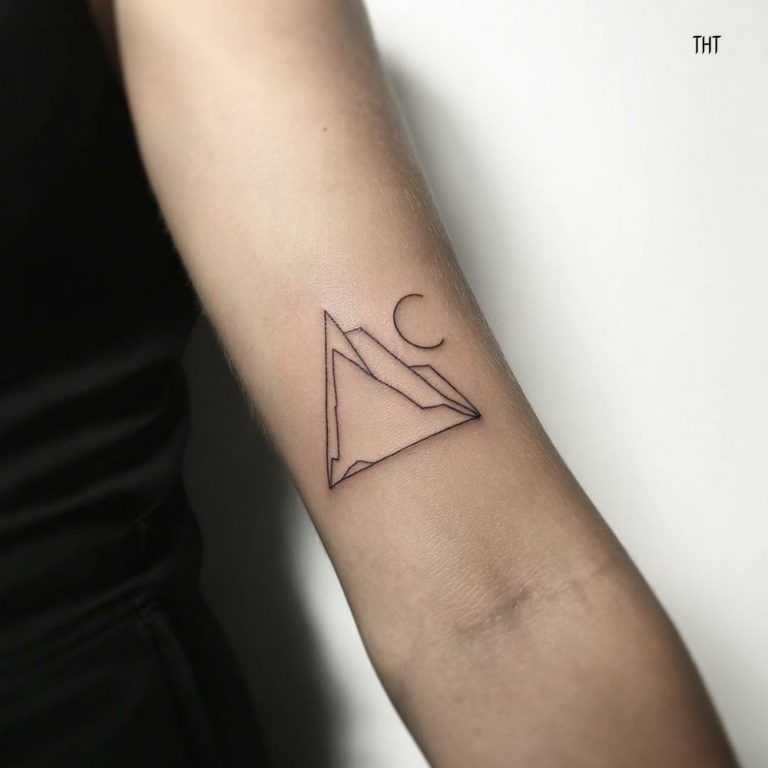
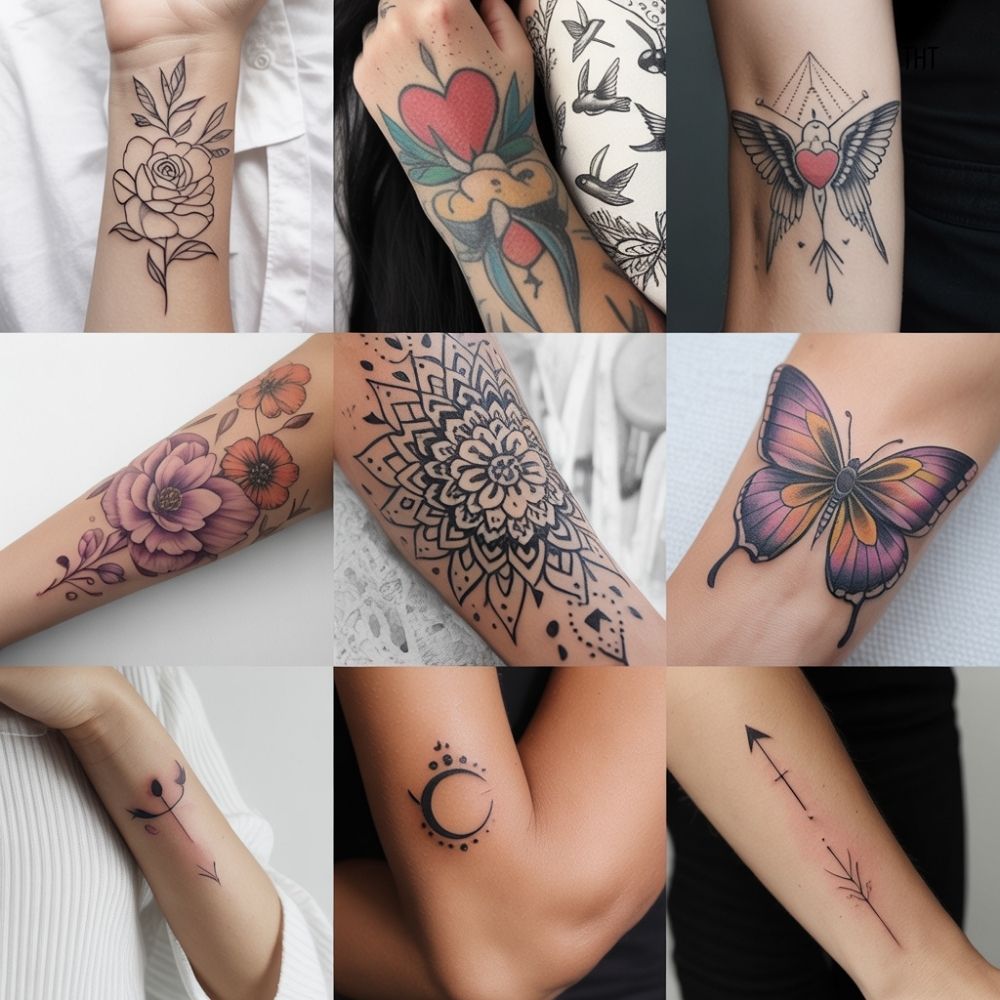
The tattoo styles that tend to feel honest longest are often the ones that leave space rather than fill it, visually and emotionally.
Designs that are restrained, open-ended, or slightly abstract tend to age better emotionally because they do not lock meaning into a single interpretation that needs to be maintained.
These styles allow the wearer to change without feeling like the tattoo is arguing back, because they are not overly prescriptive about what they represent. Instead of declaring something loudly, they coexist quietly, which gives them flexibility when identity inevitably shifts.
What surprises people is that this flexibility is not about minimalism alone, but about tolerance for ambiguity, because tattoos that can hold uncertainty often survive it better.
Styles That Carry Too Much Narrative Weight
On the other end of the spectrum are styles that feel very resolved at the moment they are chosen, often because they tell a clear story or carry a specific emotional message.
These tattoos can feel incredibly right at first, especially during periods of transformation or upheaval, but their clarity can become a liability once life moves past the moment they were meant to capture.
When a tattoo is built around a fixed narrative, it can begin to feel outdated even if the sentiment behind it was sincere. The issue is not that the story was wrong, but that the tattoo continues to speak in a voice that no longer matches the present tense, which can create quiet friction over time.
This is often when people say a tattoo no longer feels like them, even though it technically still represents something true.
The Role of Restraint in Emotional Longevity
Restraint plays a larger role in emotional honesty than it is usually given credit for, because restraint limits how much a tattoo expects from the person carrying it.
Styles that are visually or conceptually restrained tend to ask less emotional maintenance over time, allowing the tattoo to remain present without demanding reaffirmation.
This does not mean restrained tattoos are shallow or cautious, but rather that they trust the wearer to supply context as needed, instead of embedding all meaning directly into the design.
That trust makes the relationship feel less performative and more sustainable, especially once the tattoo becomes part of everyday life rather than a reflection of a specific phase.
Why Trend Alignment Isn’t the Real Issue
It is tempting to blame trend cycles for why some tattoo styles stop feeling honest, but trends are usually a secondary factor rather than the root cause.
A tattoo can be trendy and still feel emotionally durable, just as it can be classic and still feel misaligned, depending on how much narrative pressure it carries.
What matters more than trend alignment is whether the style assumes permanence of feeling, because no matter how timeless a design looks, it will struggle emotionally if it requires the wearer to stay emotionally fixed. Styles that accept change tend to outlast those that quietly resist it.
How Time Reveals Emotional Fit
Time has a way of clarifying emotional fit without confrontation, because it removes urgency from the equation. Once a tattoo stops being new, its style either settles comfortably into the background of daily life or continues to ask to be noticed in ways that feel disproportionate.
The styles that feel honest longer are usually the ones that blend rather than assert, becoming part of the body’s landscape instead of remaining focal points. They do not disappear, but they soften into familiarity, which often feels more truthful than constant relevance.
Expectation vs Reality
I once expected that the most meaningful tattoos would be the ones that said the most, clearly and unmistakably, but the reality has been almost the opposite. The tattoos that have stayed with me most comfortably are the ones that say just enough, allowing meaning to shift without requiring explanation or defense.
That shift in expectation has changed how I evaluate tattoo styles now, because I am less interested in how well a design captures a moment and more interested in how it behaves once that moment becomes ordinary.
Conclusion
Some tattoo styles feel honest longer than others not because they are better designed, but because they are more tolerant of change, allowing meaning to evolve without conflict.
Honesty, in this sense, is not about accuracy, but about fit, about whether a tattoo continues to feel proportionate to the life surrounding it.
As my relationship with tattoos has matured, I have come to value styles that leave room rather than fill it, because space, it turns out, is often what allows permanence to feel livable instead of restrictive.