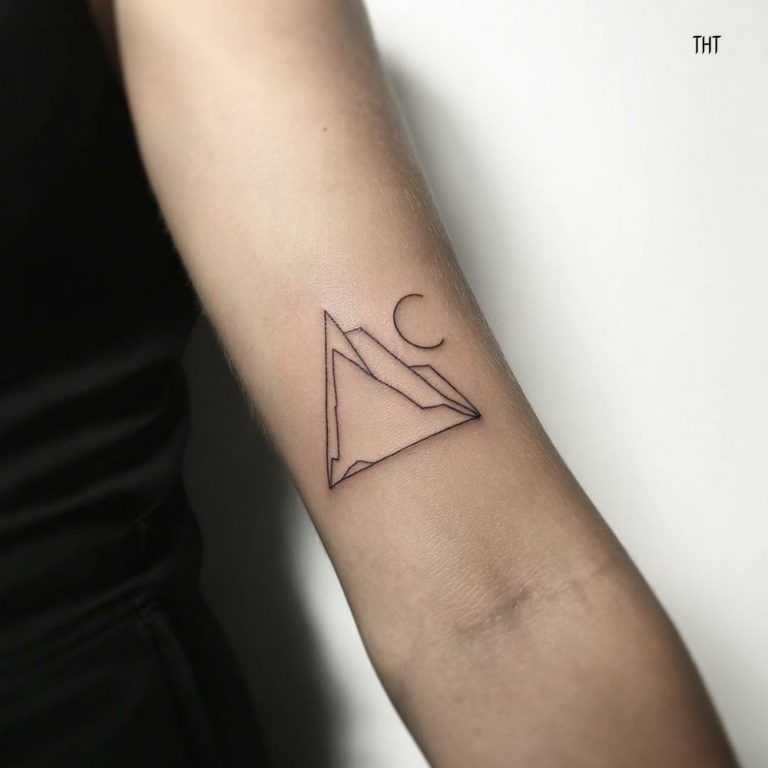
What It Felt Like When No One Asked About My Tattoos Anymore
I didn’t notice it the first time it happened, because nothing actually happened, which is kind of the point. I was standing in line at a coffee shop I went to often, wearing the same jacket I’d worn dozens of times before, when I realized that no one had commented on my tattoos in a…
I didn’t notice it the first time it happened, because nothing actually happened, which is kind of the point. I was standing in line at a coffee shop I went to often, wearing the same jacket I’d worn dozens of times before, when I realized that no one had commented on my tattoos in a long while.
Not with curiosity, not with surprise, and not even with the casual, “Does that one mean something?” that used to show up regularly.
The absence didn’t feel dramatic or uncomfortable, but it lingered in a way that made me pay attention, because there was a time when my tattoos reliably invited conversation, and now they didn’t.
That quiet shift ended up telling me more about familiarity, identity, and how attention fades than any reaction ever had.
When My Tattoos Used to Be a Conversation Starter
There was a period when my tattoos felt like social punctuation, small visual interruptions that gave people something to reach for when conversation stalled or curiosity took over.
Strangers would ask about them while waiting for drinks, acquaintances would point them out mid-sentence, and even people I knew well enough to skip small talk would sometimes pause and ask for the story behind one.
At the time, I didn’t mind, partly because I had answers ready and partly because the attention felt neutral, even flattering, in a low-stakes way. The tattoos were still relatively new, still readable as choices rather than fixtures, and that newness made them feel available for interpretation.
I didn’t realize how much that availability shaped my awareness of them until it disappeared.
The Moment I Realized the Questions Had Stopped
The realization came gradually, through repetition rather than a single clear moment, which is usually how these things register. I noticed it during familiar interactions, conversations that moved smoothly from one topic to another without detouring toward my body at all.
Friends no longer asked follow-up questions, coworkers stopped glancing at my arms when I gestured, and even new people seemed to register the tattoos and then move on, as if they were already accounted for.
It wasn’t that the tattoos were hidden or covered, but that they had lost their status as something worth remarking on. At first, I wondered if this meant they had become uninteresting, but that interpretation didn’t quite fit the feeling.

What Familiarity Does to Attention
Familiarity changes what gets noticed, not because things disappear, but because they settle into context. Once my tattoos stopped being read as new information, they stopped asking for interpretation, and without that request, attention naturally moved elsewhere.
I realized that people weren’t ignoring my tattoos; they were including them, folding them into an understanding of me that no longer needed clarification. The tattoos had become part of the landscape, like a piece of furniture you stop commenting on once you know where it belongs.
That shift felt quieter than attention, but also more stable.
The Emotional Difference Between Being Asked and Not Being Asked
Being asked about my tattoos used to create a small moment of self-consciousness, even when the interaction was friendly, because it required me to step outside myself and narrate a choice that had already settled.
Not being asked removed that layer of performance, which I hadn’t realized I was carrying until it was gone.
Without the questions, my tattoos felt less like statements and more like facts, present without needing explanation or defense. I didn’t feel dismissed or overlooked, but rather relieved, as if something I had been subtly managing had finally been allowed to rest.
The absence of attention created space rather than emptiness.
What This Shift Changed About How I See My Tattoos
Once the questions stopped, my relationship with my tattoos changed in small but noticeable ways. I stopped rehearsing explanations I might never need, stopped anticipating reactions, and stopped thinking of them as points of entry into conversation.
The tattoos felt more private without becoming hidden, which was unexpected, because nothing about their visibility had changed. What changed was the social expectation around them, and that expectation turned out to matter more than I thought.
They began to feel like something I carried for myself, not something I was expected to account for.
Why This Didn’t Feel Like Losing Interest
It would be easy to frame this as a loss of interest, either from others or from myself, but that framing misses the texture of the experience. Interest had not disappeared; it had simply moved from the foreground to the background, where most long-term relationships eventually live.
I didn’t stop caring about my tattoos, and other people didn’t suddenly stop noticing them altogether. The difference was that they no longer felt like an event, and events, by definition, are temporary.
What remained was something steadier.
What This Taught Me About Identity Without Commentary
Not being asked about my tattoos anymore showed me how much of identity is reinforced through response, and how quietly that reinforcement can fade without taking anything essential with it. Without commentary, my tattoos didn’t lose meaning; they lost an audience.
That loss didn’t feel threatening, because it made room for a version of myself that didn’t need to be explained or interpreted in real time. The tattoos existed, and so did I, without either of us having to perform.
That felt like maturity, not invisibility.
Conclusion
When no one asked about my tattoos anymore, it didn’t feel like being overlooked, but like being understood without commentary. The questions stopped not because the tattoos mattered less, but because they had finally become part of the context instead of the content.
That shift taught me that attention is often temporary, but integration lasts longer, and that some of the most meaningful changes are marked not by what people say, but by what they no longer need to ask.