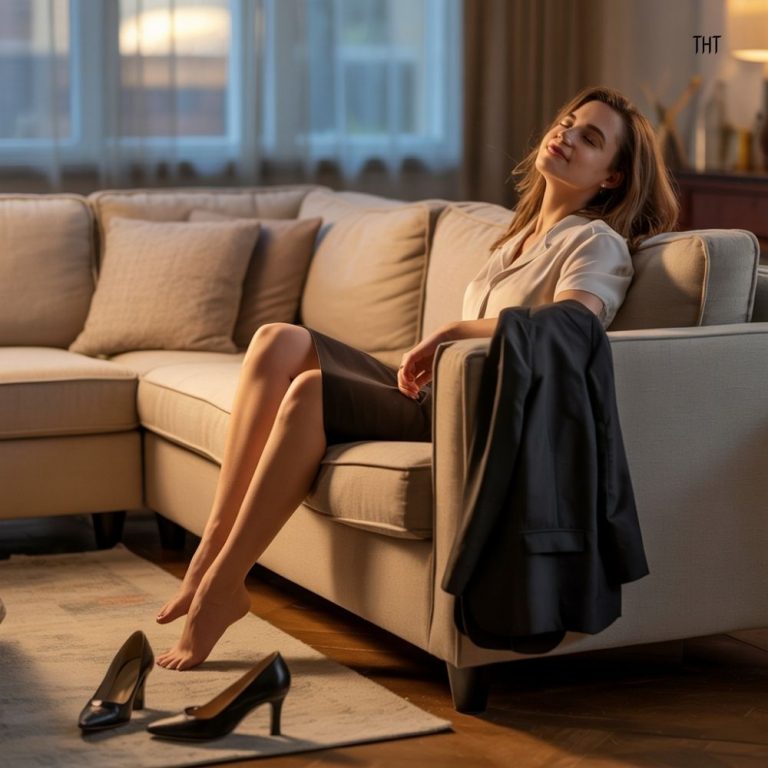
What My Space Looks Like When I’m Doing Okay
I don’t usually notice my space when I’m doing okay, which is how I know I am. The noticing tends to happen later, when something feels off, and I start scanning my surroundings for clues. When things are steady, the room fades into the background and simply works the way it’s supposed to. It wasn’t…
I don’t usually notice my space when I’m doing okay, which is how I know I am. The noticing tends to happen later, when something feels off, and I start scanning my surroundings for clues. When things are steady, the room fades into the background and simply works the way it’s supposed to.
It wasn’t until a slow Saturday morning, moving from room to room without a plan, that I realized my apartment looked different than it does when I’m overwhelmed or stretched thin.
Not cleaner exactly, and not styled in any intentional way, but quieter, more cooperative, as if the space and I were moving at the same pace instead of negotiating with each other.
The First Thing I Register Without Trying
When I’m doing okay, the first thing I notice is that there’s nothing immediately asking for my attention. I can walk into the room without mentally tagging objects that need fixing, moving, or dealing with later, and that absence feels physical rather than conceptual.
The counters aren’t empty, but they aren’t crowded either, holding only the things I actually used the night before, a mug I didn’t rush to wash, a cutting board that dried where it landed, nothing staged or hidden.
The room feels lived in without feeling interrupted, and that balance tells me more than any checklist ever could.
Surfaces That Feel Settled, Not Controlled
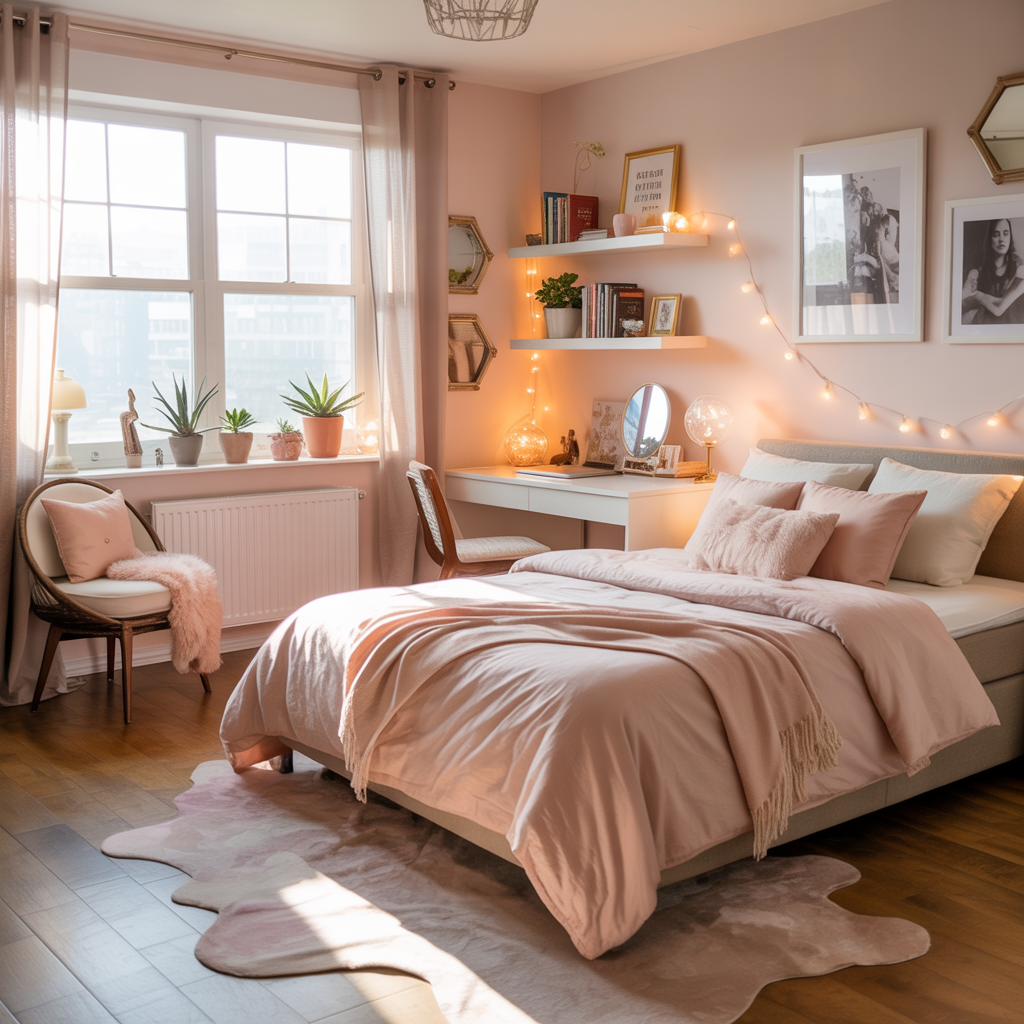
When I’m doing okay, surfaces stop being battlegrounds. The coffee table has a book on it that I’m actually reading, not one I placed there to signal intention, and the stack of mail nearby has been opened and sorted just enough to remove urgency without forcing completion.
I haven’t cleared everything away, but I also haven’t let things pile up until they feel accusatory. The difference is subtle and easy to miss, but it’s there in how my eyes move across the room without snagging on unfinished business.
Nothing is perfect, and nothing feels neglected.
The Floor Tells the Truth Faster Than Anything Else
The floor is usually the first thing to reflect my internal state, because it’s where things land when I stop paying attention. When I’m not doing well, shoes collect near the door, bags slump where they’re dropped, and laundry migrates outward in slow, unconscious waves.
When I’m doing okay, the floor stays mostly clear, not because I’m trying to keep it that way, but because I have enough capacity to put things down intentionally. Shoes make it to their place without effort, and bags get hung up without feeling like a task.
That small difference tells me I’m not rushing through my own life.
Light That I Haven’t Had to Manage
Lighting changes with my mood more than I realize, and when I’m doing okay, the light in my space feels incidental rather than strategic. I haven’t turned lamps on and off trying to create a certain feeling, and I haven’t left rooms dim out of avoidance.
Sunlight comes in where it can, filtered by curtains I adjusted once and then forgot about, and artificial light fills in gaps without calling attention to itself. The room doesn’t feel staged for comfort, and that’s what makes it comfortable.
I’m not managing atmosphere. I’m living inside it.
The Kitchen as a Place, Not a Problem
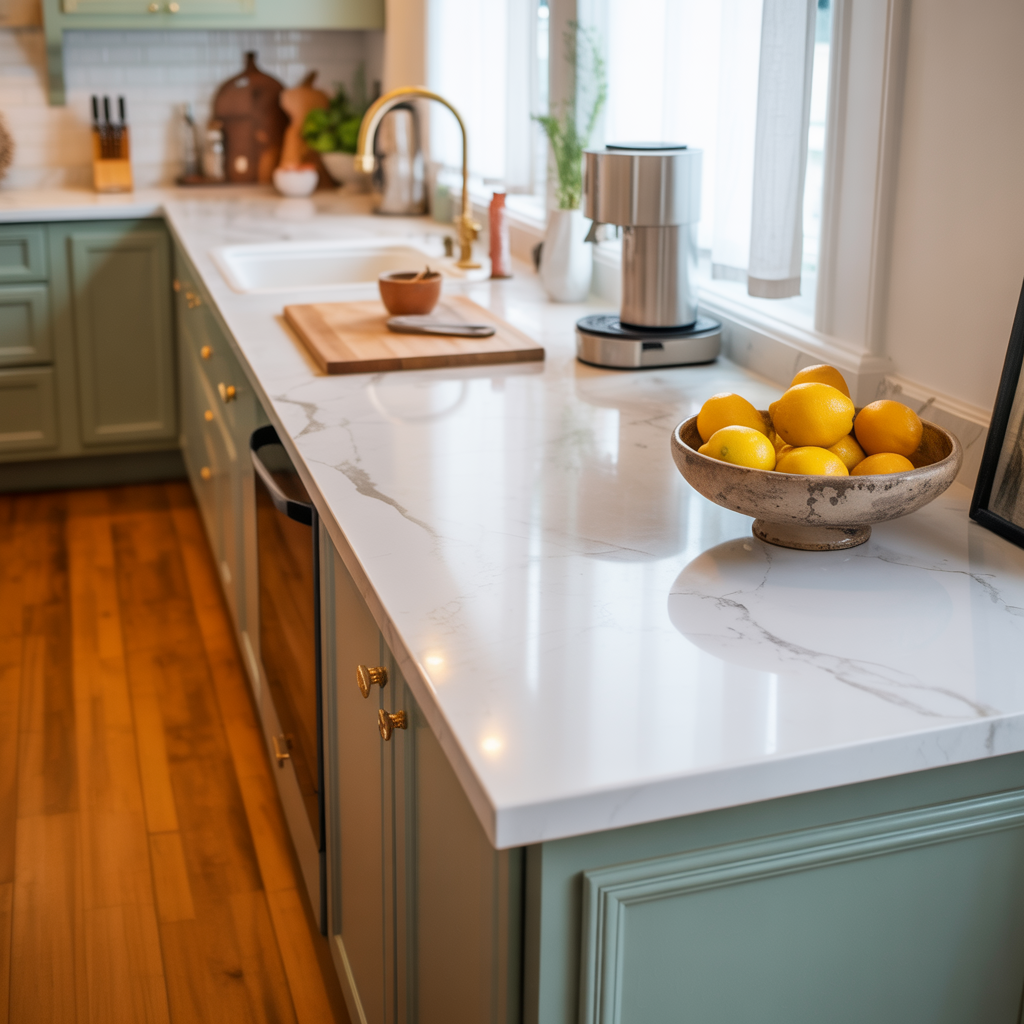
When I’m doing okay, the kitchen feels usable rather than evaluative. There’s food in the fridge that makes sense to me, leftovers I remember cooking, and ingredients that suggest repetition rather than aspiration.
The sink might have a dish or two, but nothing has hardened into a statement about my energy level or discipline. I can imagine cooking there without bracing myself, which is usually the clearest sign that I’m not running on fumes.
The kitchen doesn’t demand creativity. It offers familiarity.
Objects That Have Stayed Where I Put Them
One of the quiet signs that I’m doing okay is that things stay where I leave them. My keys are where I expect them to be, my notebook is open to the page I last used, and my charger hasn’t migrated into another room out of desperation.
That consistency isn’t about order so much as follow-through, the ability to complete small loops without losing track midway through. When my space reflects that continuity, I know my attention hasn’t been scattered beyond recovery.
Sound That I’m Not Trying to Fill
When I’m doing okay, the space sounds quieter, not because it’s silent, but because I’m not filling it preemptively. There isn’t always music playing, and there isn’t a podcast queued up to prevent my thoughts from getting loud.
Sometimes there’s just the low hum of the building, a car passing outside, or the subtle noise of something mechanical doing its job. That kind of sound doesn’t feel empty. It feels sufficient.
I don’t need distraction to feel okay being here.
What Isn’t Present Matters Just as Much
What my space looks like when I’m doing okay is defined as much by absence as by presence. There aren’t piles I’m avoiding, bags half-unpacked from days ago, or stacks of objects waiting for a version of me with more energy.
The absence of those things doesn’t come from effort or a cleaning spree, but from steady maintenance that never had to escalate. Nothing reached crisis level, because I was present enough to respond earlier.
That’s the difference between care and recovery.
What Changes First When I’m Not Doing Okay
The reason I know all of this so clearly is because I also know what changes first when I’m not doing okay. Surfaces become cluttered quickly, sound fills every gap, and the floor starts collecting evidence of unfinished transitions.
I don’t judge those shifts anymore, but I do recognize them as signals. They’re not failures of discipline. They’re reflections of capacity.
Seeing the difference helps me respond earlier, with less urgency and less shame.
I used to expect that doing okay would show up as motivation, productivity, or visible order, but the reality has been much quieter. Doing okay looks like a space that doesn’t argue with me, a room that feels cooperative rather than impressive.
There’s no aesthetic payoff and no before-and-after moment, just a steady sense that my environment and I are on the same side.
Conclusion
What my space looks like when I’m doing okay isn’t something I design or maintain consciously. It’s something that happens when I have enough energy to finish small things, tolerate quiet, and move without urgency.
The space doesn’t look perfect or aspirational, but it feels cooperative, and that cooperation tells me I’m steady in a way that doesn’t need to announce itself. When my surroundings stop asking for interpretation, I know I’m doing okay, even before I stop to think about it.