What My Cooking Habits Reveal Before I’m Ready to Admit Anything
I notice changes in my cooking habits long before I notice changes in how I’m doing, mostly because cooking sits below the level of language for me and doesn’t wait for interpretation before it adapts. I don’t wake up one morning and decide that something has shifted internally. I don’t announce to myself that I’m…
I notice changes in my cooking habits long before I notice changes in how I’m doing, mostly because cooking sits below the level of language for me and doesn’t wait for interpretation before it adapts.
I don’t wake up one morning and decide that something has shifted internally. I don’t announce to myself that I’m entering a different phase.
I do find myself reaching for the same meals repeatedly, avoiding certain ingredients without thinking, or standing in the kitchen moving more efficiently than usual, and those behaviors accumulate quietly before I ever stop to ask what they might mean.
It’s only later, usually after the pattern has already settled in and become familiar, that I realize my kitchen has been narrating something I wasn’t ready to say out loud yet, not dramatically or symbolically, but through absence, repetition, and restraint.
The First Signal Is Always What Disappears
The earliest sign is never what I start cooking, but what disappears without comment, the meals that simply stop occurring to me even though I used to make them regularly and enjoyed them just fine.
I don’t miss them or actively avoid them, and I don’t notice their absence at first, because the decision never feels conscious enough to register as a decision at all.
They fade out the way background noise does when you’ve been listening to something else for too long, and by the time I realize they’re gone, I’m already well into a narrower rhythm.
That disappearance usually tells me more than any new habit ever could, because complexity is the first thing to go when my capacity tightens, even if I’m still functioning well enough that I don’t think anything is wrong.
How Repetition Moves In Without Being Announced
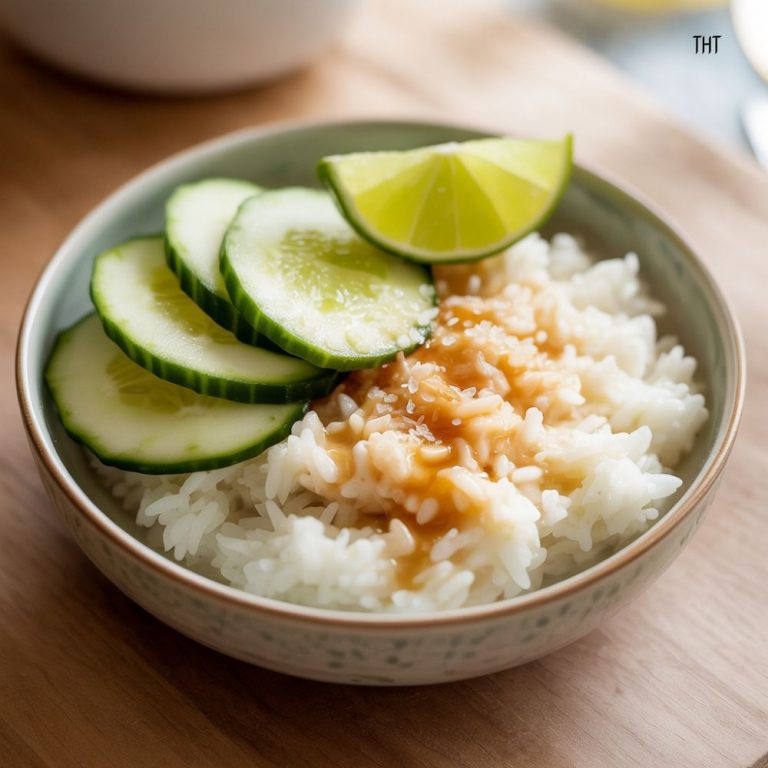
When I’m not ready to admit anything, repetition becomes appealing in a way that feels neutral rather than intentional, and I start making the same meal several nights in a row while telling myself it’s just convenient.
I don’t frame it as a preference or a coping mechanism, and I don’t feel bored by it either, because boredom requires excess energy and attention, both of which are already being conserved.
The repetition isn’t about saving time or effort, and it’s not about liking the meal more than others, but about reducing exposure to choice, because choice pulls me into engagement and engagement asks for more presence than I want to offer.
At the time, it feels practical and unremarkable, and only later do I recognize how carefully contained my evenings had become.
When Cooking Stops Feeling Expressive
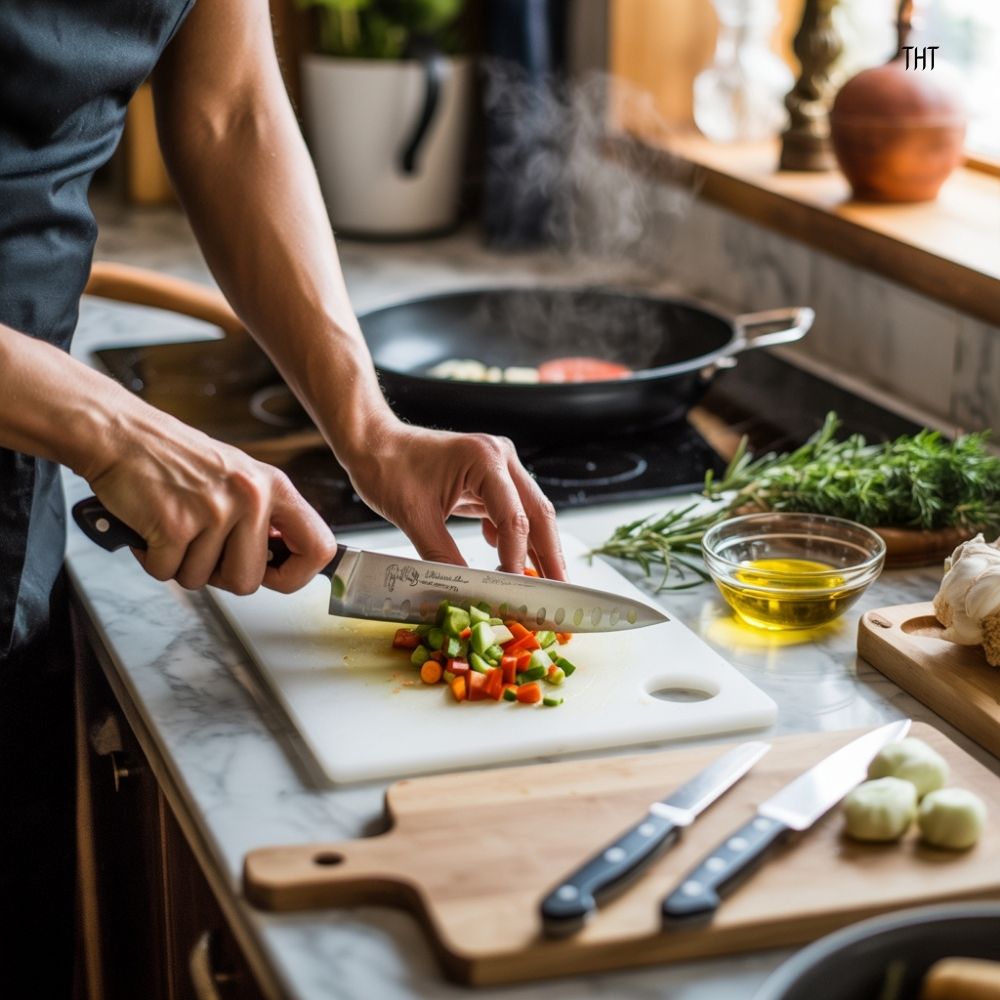
There’s a distinct moment when cooking stops feeling expressive and starts feeling procedural, and I don’t usually notice it while it’s happening. I stop tasting as I go, stop pausing to see how something is coming together, and move through familiar steps with a quiet urgency that isn’t tied to time so much as completion.
Nothing goes wrong, and the food turns out fine, but my attention stays narrow, focused on getting to the end rather than being inside the process.
At the time, I tell myself I’m just being efficient, but in retrospect, I can see that efficiency was doing the work of protection, keeping me from lingering in a space that might have asked me how I was actually doing.
The Grocery Store Tells on Me Before My Kitchen Does
The grocery store is usually where these shifts become most visible, even though I rarely notice them while I’m there, because shopping happens in motion and doesn’t invite reflection.
My cart gets smaller and more repetitive, filled with ingredients I already know how to use without thinking, and I stop picking up items that imply possibility or improvisation.
I avoid aisles that require imagination, not because I dislike them, but because they ask me to project myself forward into outcomes I’m not ready to hold. What I buy reflects what I can manage, not emotionally, but energetically, and the difference between those two only becomes clear later.

The Sink as a Quiet Record of Capacity
Another signal shows up after the meal is over, when dishes linger in the sink without creating discomfort, not because I’m too tired to wash them, but because I don’t feel the internal push to close the loop.
When I’m resourced, I like the feeling of finishing the night with a clear sink, the small satisfaction of completion that helps the day end cleanly.
When I’m not ready to admit I’m stretched thin, that preference fades without explanation, and I leave things unfinished without guilt or resistance. The sink doesn’t become a mess, but it becomes a placeholder, holding the residue of energy I didn’t quite have.
Eating Without Fully Arriving
On nights when I’m avoiding clarity, eating becomes something I do alongside other things, scrolling, standing, or drifting between rooms, without ever settling into the meal itself.
I register temperature and texture more than flavor, and the act of eating feels transactional rather than grounding, like refueling instead of arriving.
At the time, this doesn’t feel concerning or even noticeable, because it fits the overall rhythm of containment, but later I can see how consistently I stayed just slightly outside the experience of being fed.
Feeding Myself Versus Caring for Myself
One of the things my cooking habits reveal before I’m ready to admit anything is the difference between feeding myself and caring for myself, two actions that overlap but are not always the same.
When I’m not prepared to be honest with myself, I default to feeding myself in the most reliable way possible, choosing meals that won’t fail me, surprise me, or ask me to engage emotionally.
The food does its job, and I move on, which is exactly what I need in that moment, even if I don’t yet recognize why. Care requires presence, and presence requires honesty, and honesty isn’t always accessible on demand.
The Almost-Meals That Say More Than the Real Ones
There are moments when I almost cook something else, standing in the kitchen with an ingredient in my hand, considering whether I want to commit to something more involved, and those moments are usually brief. I put the ingredient back, not dramatically or with regret, but with a quiet sense of relief that I don’t question.
At the time, it feels like indecision, but later I understand it as restraint, my body setting limits long before my mind is ready to articulate them. Those almost-meals often tell me more than the ones I actually make.
What I Used to Get Wrong About These Patterns
I used to interpret these shifts as laziness, boredom, or a lack of discipline, and I tried to correct them by forcing variety or planning more ambitious meals, assuming that the habits were the problem.
That approach never worked, because it treated adaptation as failure and ignored the information embedded in the behavior itself.
Once I stopped trying to override the patterns and started observing them without judgment, they became easier to live with and shorter-lived, because I wasn’t fighting the state I was in.
How Clarity Arrives After the Fact
Clarity rarely arrives while these habits are forming, and I’ve stopped expecting it to. It usually shows up later, when my energy shifts again and my cooking expands naturally, when I find myself lingering in the kitchen or wanting to try something new without forcing it.
Only then do I realize how narrow things had become before, and how carefully my habits had been holding me together without my conscious involvement. The kitchen doesn’t announce the change. It simply loosens its grip.
Now, when my cooking habits contract, I don’t rush to analyze them or extract meaning immediately, because interpretation isn’t what they’re asking for. I treat them as information rather than instruction, noticing where my capacity is instead of trying to fix where it isn’t.
The kitchen doesn’t need to be decoded or improved. It needs to be listened to.
Conclusion
My cooking habits reveal things about me before I’m ready to admit anything, not because they’re symbolic or profound, but because they respond honestly to what I have available.
They narrow when I need containment, repeat when I need predictability, and expand again when I have room to hold more.
I don’t ask them to explain themselves anymore, and I don’t rush to translate their message into language. I let them do what they’ve always done best, which is quietly tell the truth long before I’m ready to say it out loud.