The Day I Wore Something Comfortable in Public on Purpose
The day I wore something comfortable in public on purpose didn’t start as a statement, and it didn’t feel brave or rebellious in the moment, which is probably why it stayed with me longer than days that were louder about their intent. It started the way most decisions do for me now, quietly and without…
The day I wore something comfortable in public on purpose didn’t start as a statement, and it didn’t feel brave or rebellious in the moment, which is probably why it stayed with me longer than days that were louder about their intent.
It started the way most decisions do for me now, quietly and without ceremony, standing in front of my closet longer than usual, because I could feel the familiar tension of choosing between how I wanted to feel in my body and how I wanted to be perceived.
For a long time, those two things rarely aligned, and I didn’t question that mismatch as much as I accommodated it, adjusting myself to fit the version of presentable I thought was expected.
That morning, though, something felt different, not dramatic or resolved, just slightly less negotiable, and that difference shaped the rest of the day in ways I didn’t anticipate.
The Outfit Itself Was Unremarkable
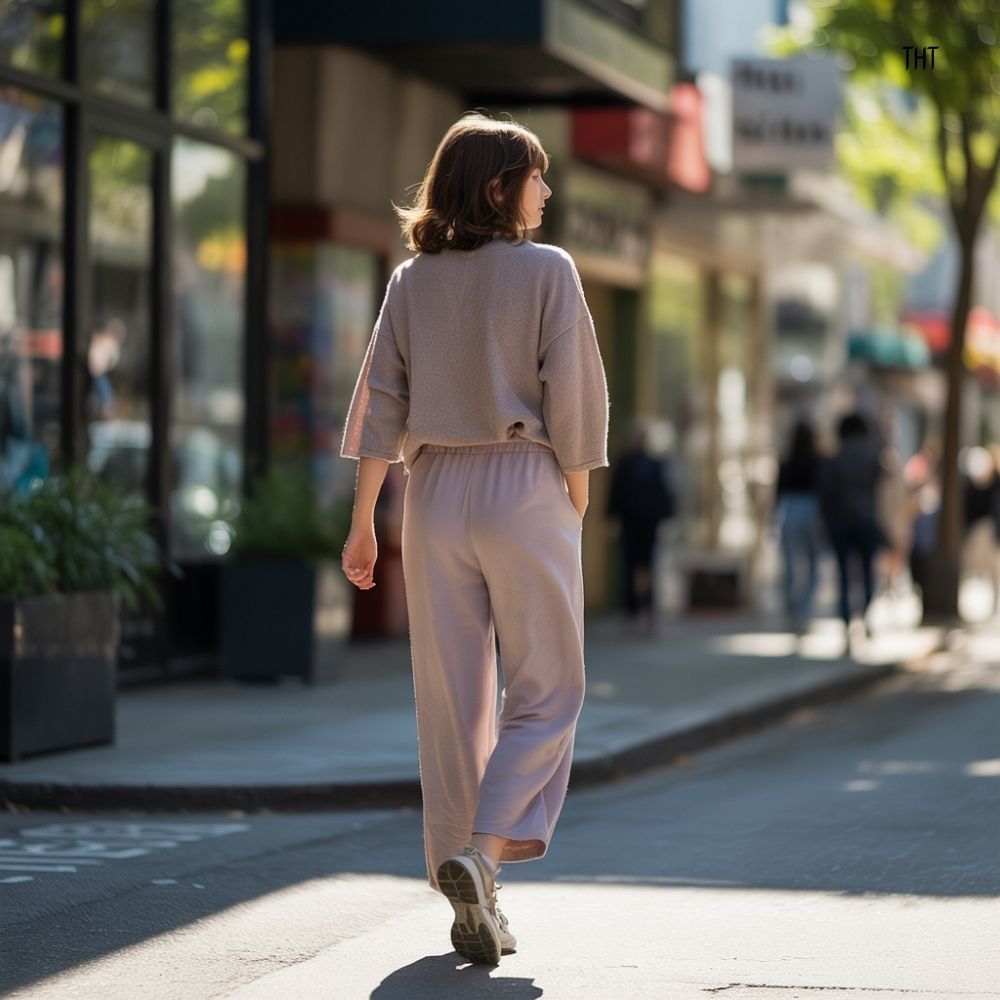
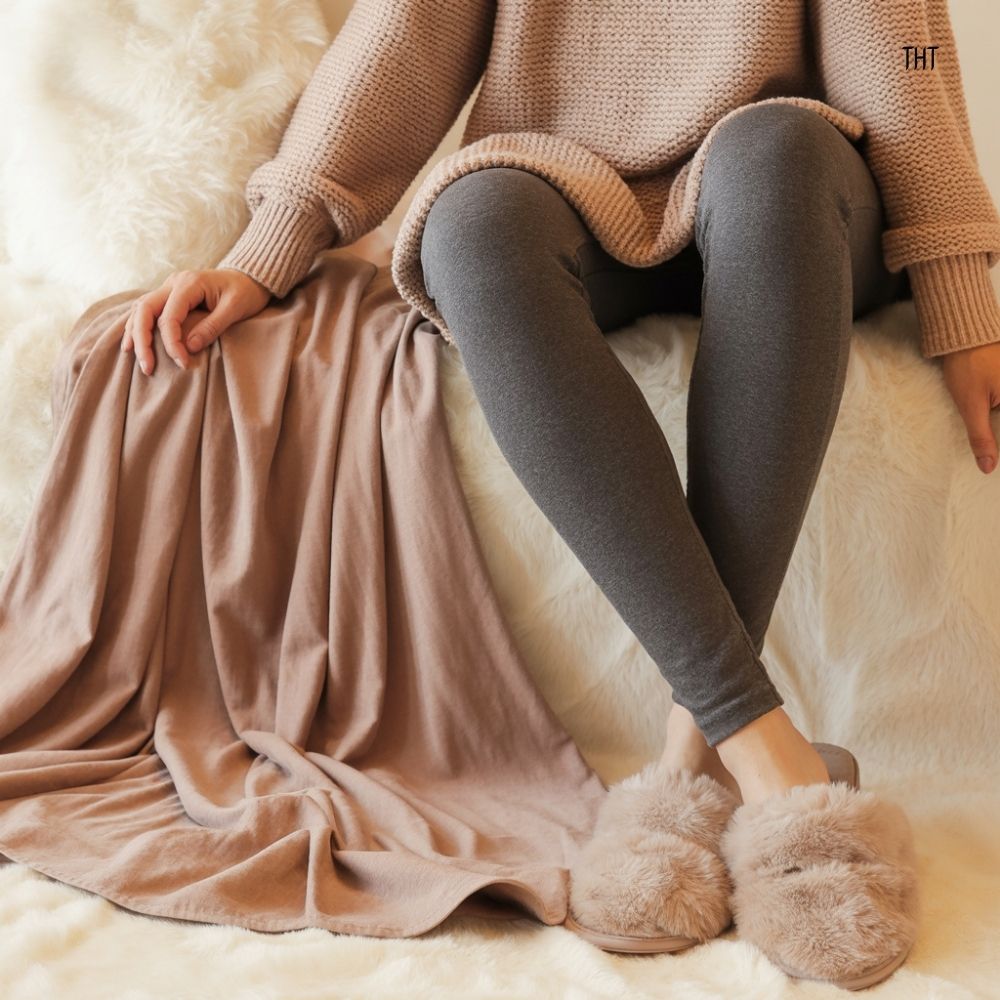
The outfit itself wasn’t revolutionary, which is important to say, because part of what made the day matter was how ordinary the clothes were. Soft pants with a loose waistband, a worn-in sweater that didn’t require posture to sit correctly, shoes I knew I could walk in.
Nothing was sloppy or careless, but nothing was restrictive either, and as I stood there getting dressed, I noticed how little mental energy it took to move my body into these clothes. There was no bracing, no small adjustments, no checking angles in the mirror to see if I could make the discomfort look intentional.
That ease felt almost suspicious at first, like I was skipping a step I’d always assumed was necessary.
The Moment I Realized This Was Intentional
I didn’t realize I was choosing comfort on purpose until halfway through putting the outfit on, when the familiar impulse to “fix” it showed up and I didn’t follow it. I didn’t reach for a tighter layer to sharpen the silhouette or swap shoes to make the whole thing feel more defensible.
That pause, that brief moment of noticing the urge without obeying it, is what made the choice intentional rather than accidental. I could have changed, and nothing was stopping me, but I didn’t, and that decision carried a weight I wasn’t prepared for.
It wasn’t relief exactly. It was steadiness.
Leaving the House Felt Different Than Usual
Walking out the door in those clothes felt strangely exposed, not because they revealed anything, but because they didn’t perform.
I wasn’t armored by structure or distraction, and without that layer, I became more aware of how often I’d relied on discomfort as a kind of permission slip for being seen.
As I walked, I noticed my stride first, longer and less cautious, followed by the absence of the usual low-level monitoring I did in public, checking how I was sitting, standing, or moving. My body didn’t need correction, and that freed up attention I didn’t realize I’d been spending constantly.
The city felt louder and closer without the buffer of self-adjustment, but it also felt more navigable.
The First Public Interaction
The first interaction of the day was ordinary, a brief exchange that normally wouldn’t register at all, but I noticed myself staying fully present in it instead of half-focused on how I was holding myself.
I wasn’t pulling my shoulders back or angling my body a certain way, and the lack of that internal choreography made the interaction feel simpler, almost cleaner.
Nothing about how the other person responded suggested that my comfort was noticeable or relevant, which was both reassuring and unsettling, because it challenged the idea that I needed to earn ease through effort.
The world didn’t react the way I’d been preparing it to.
How My Body Behaved When I Wasn’t Managing It
As the day went on, I kept noticing how my body behaved when it wasn’t being managed, how it settled into chairs without negotiation, how I leaned instead of perching, how I stood still without shifting my weight to compensate for discomfort.
These were small things, barely perceptible individually, but together they created a sense of inhabiting myself more fully.
I wasn’t more confident in the traditional sense, but I was less distracted, and that difference mattered more than I expected. Confidence usually requires maintenance. This didn’t.
The Internal Commentary That Never Arrived
What surprised me most was the internal commentary that never showed up, the running assessment of whether I was pulling it off, whether I looked intentional enough, whether anyone might be misreading my choice.
I kept waiting for that voice to kick in, to remind me of the rules I was breaking or the image I was risking. It didn’t.
Instead, there was a quiet neutrality, a sense that nothing needed to be defended or explained, and that absence felt almost unfamiliar, like walking without a background hum I’d grown used to ignoring.
The Difference Between Comfort and Carelessness
There’s a cultural narrative that equates comfort with giving up, and I’ve absorbed that narrative more deeply than I realized, assuming that ease in public needed justification. That day made it clear how flawed that equation is, because comfort didn’t make me careless or disengaged.
If anything, it made me more attentive, more responsive, and more aware of my surroundings, because my energy wasn’t being siphoned off by self-monitoring. The clothes didn’t dull my presence. They sharpened it by removing friction.
Usually, the first thing I do when I get home is change clothes, shedding the version of myself I wore outside, but that day, I didn’t feel the need. I stayed in the same outfit, moved through the evening without transition, and noticed how seamless the shift felt.
There was no sense of relief in changing, because there had been nothing to escape from, and that continuity lingered in my body longer than I expected. The day didn’t fracture into “public” and “private” in the usual way.
What This Day Changed Quietly
That day didn’t turn into a permanent rule, and I didn’t suddenly abandon everything that wasn’t comfortable, but it recalibrated something subtle and important.
It showed me that comfort doesn’t have to be reactive or reserved for recovery, and that choosing it deliberately can be an act of presence rather than withdrawal.
Since then, I’ve noticed myself making similar choices more easily, not out of defiance, but out of familiarity with how much smoother the day feels when my body isn’t working against me.
Conclusion
The day I wore something comfortable in public on purpose didn’t change how other people saw me, but it changed how much of myself I had available to the day. By removing a layer of quiet resistance, I found more space to notice, respond, and move through the world without friction.
It wasn’t a declaration or a transformation, just a small, deliberate choice that revealed how much energy I’d been spending unnecessarily, and how different it feels when I decide, even briefly, not to.