The Tattoo I Got to Mark a Beginning, and Why It Feels More Like a Middle Now
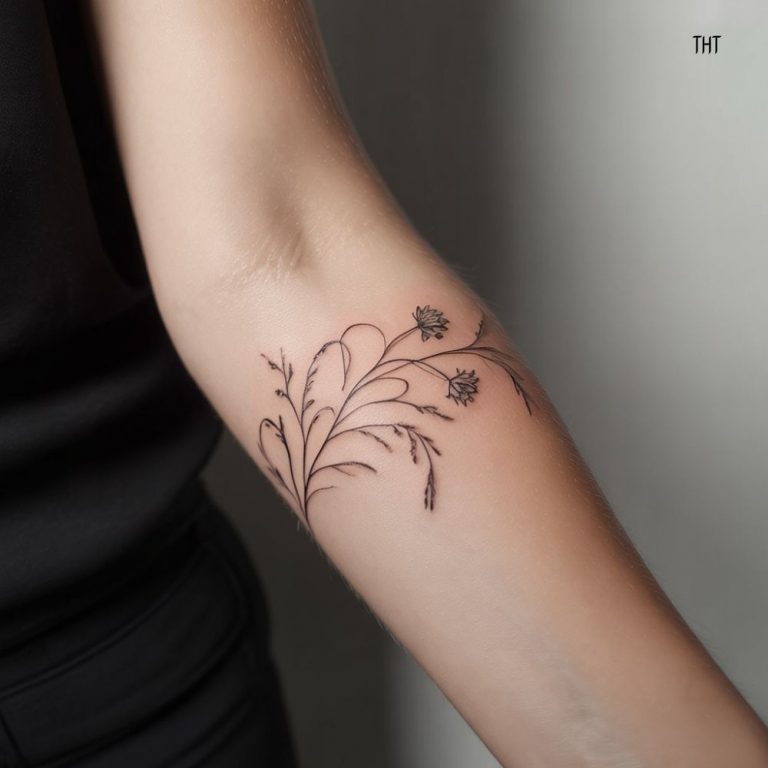
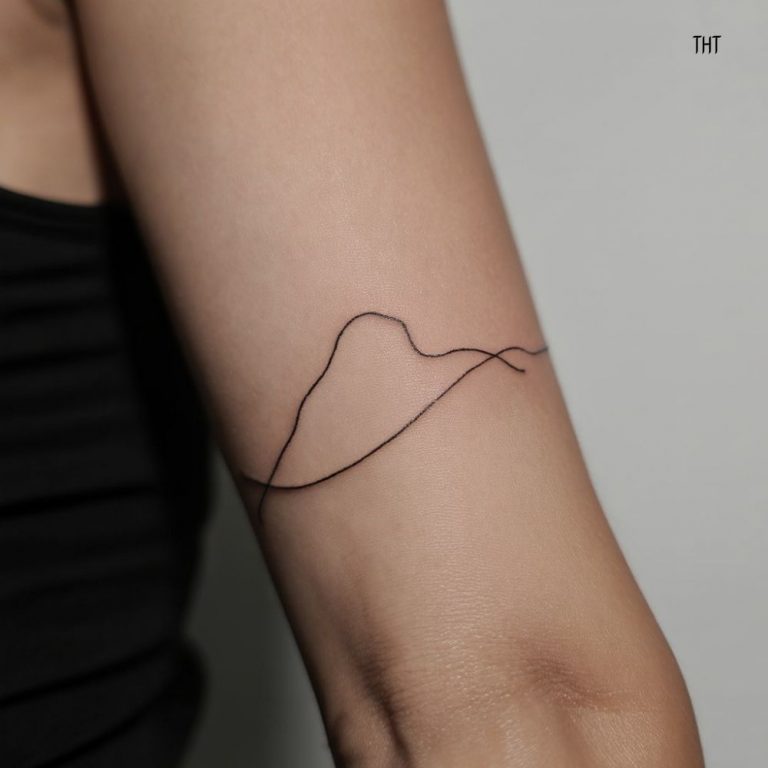
When I got this tattoo, I believed I was marking a beginning in the quieter way people often mean when they feel that something difficult has ended and something steadier is supposed to take its place. At that point in my life, I wanted a physical marker that could hold the weight of that belief…
When I got this tattoo, I believed I was marking a beginning in the quieter way people often mean when they feel that something difficult has ended and something steadier is supposed to take its place.
At that point in my life, I wanted a physical marker that could hold the weight of that belief for me, something that would quietly signal a shift without asking me to explain the entire context every time I looked at it.
What I did not understand then was that beginnings rarely stay recognizable for very long, especially once you start living inside the change instead of standing at the edge of it.
Over time, this tattoo has come to feel less like a starting line and more like a midpoint, which has changed the way I think about both tattoos and the stories we expect them to carry.
Why I Thought I Needed a Beginning Tattoo
At the time, getting this tattoo felt like a measured decision rather than an impulsive one, which mattered to me because I did not want it to feel like a reaction. I had spent months imagining how it would feel once the initial excitement wore off and whether I would still recognize myself in it after it stopped being new.
I told myself that if it still felt right when it no longer felt urgent, then it was probably something I could live with. The tattoo was meant to represent forward motion, clarity, and a sense of arrival, even though I would not have used those words out loud.
I wanted proof, mostly for myself, that I had crossed into a different phase of life, and the permanence of a tattoo felt like a way to make that belief tangible.
The Internet Version of “Beginning” Tattoos
Online, tattoos that mark beginnings are often framed as fresh starts, reclamations, or declarations of personal growth. While that language can be comforting, it also tends to simplify the experience in ways that do not hold up particularly well over time.
The narrative usually suggests a clear before and after, as if the ink itself completes the transition rather than simply documenting the intention behind it.
I absorbed some of that framing without fully realizing it, even though I would have said I was approaching the decision practically and without illusion. It was reassuring to believe that this tattoo could act as a kind of punctuation mark at the end of a long, complicated sentence.
What the internet rarely accounts for is what happens once the tattoo stops being a decision and starts being a background detail of your everyday life.

Living With the Tattoo After the “Beginning” Feeling Faded
Living with the tattoo has been a slower and less definitive experience than I expected. What I did not anticipate was how quickly the feeling of “beginning” would soften into something that felt less like a starting point and more like a place I had already been standing for a while.
The tattoo did not fail to do what I hoped it would do, but it also did not freeze the emotional moment that led me to get it. As I continued moving forward, its meaning shifted along with me instead of staying anchored to that original intention.
I noticed this most clearly the first time I realized I had not thought about the tattoo in weeks, not because I disliked it or regretted it, but because it had stopped demanding my attention.
Early on, it felt like something I checked in with regularly, almost as if I needed reassurance that I had made the right choice, but over time it became familiar in a way that felt surprisingly comforting.
How Time Changes the Meaning Without Erasing It
From a practical perspective, the tattoo has aged exactly as expected, with lines that have softened slightly and a presence that feels more integrated into my body than it did at the beginning.
This physical aging mirrors the emotional shift in a way that feels appropriate, because neither the ink nor the meaning stayed sharp and fixed.
I used to worry that this softening meant the tattoo was losing significance, but now I think it reflects the reality that most meaningful changes do not announce themselves loudly once they become part of your normal life.
The tattoo holds the memory of why I wanted it without insisting that I keep living inside that emotional state, which feels like a healthier arrangement than the one I initially imagined.

Why It Feels Like a Middle Instead of a Beginning
If I am honest, part of why this tattoo feels more like a middle now is because the version of myself who wanted a clear beginning was still very invested in certainty. I wanted proof that I had arrived somewhere different, and the tattoo felt like a way to make that belief visible.
What I did not realize then was that growth often feels less like crossing a threshold and more like realizing you have been walking for a while without noticing the scenery change. In that context, the tattoo naturally shifts into something that marks continuity rather than transformation.
The tattoo does not push me forward or pull me back, and it does not ask me to keep proving anything, which is why it now feels like a midpoint rather than a launch.
Expectation vs Reality
I expected this tattoo to act as a definitive marker, a way to close a chapter and step confidently into the next one, but the reality is that it documents a moment of intention rather than a completed transformation.
That distinction matters, because it reframes the tattoo as part of an ongoing process instead of a finished statement.
The meaning did not disappear when the feeling of beginning faded, but it did become less directional, which feels appropriate now that I am no longer orienting myself around a single turning point.
Who This Tattoo Is For
This kind of tattoo works well for someone who understands that meaning is allowed to evolve, and who is comfortable with the idea that a tattoo can represent intention rather than outcome.
It suits people who are not looking for their ink to permanently anchor them to a specific emotional moment, but instead want something that can age alongside them without demanding constant interpretation.
If you want a tattoo to always feel emotionally intense, clearly symbolic, or tightly connected to a specific turning point in your life, a beginning-focused tattoo may feel confusing once that moment becomes part of your past rather than your present.
It can be a difficult choice for anyone who needs their tattoos to remain fixed in meaning rather than settling into something quieter over time.
Conclusion
This tattoo did not stop being meaningful when it stopped feeling like a beginning, but it did ask me to rethink what I expect tattoos to do for me emotionally.
What I thought would mark a clear start turned out to be a reminder that change is rarely linear, and that most meaningful shifts reveal themselves slowly rather than announcing themselves all at once.
In that sense, the tattoo feels less like a beginning now because it no longer needs to be one, and more like a middle because it sits inside a life that continues to unfold, which feels far more honest than the story I originally told myself.