How I Decide Whether Cooking Is Even Worth It Tonight
There’s a moment most evenings when I stand in the kitchen without actually entering it, hovering just outside the threshold with my bag still on my shoulder or my shoes half unlaced, and I can already tell that the decision about dinner isn’t going to be simple. It isn’t about hunger exactly, and it isn’t…
There’s a moment most evenings when I stand in the kitchen without actually entering it, hovering just outside the threshold with my bag still on my shoulder or my shoes half unlaced, and I can already tell that the decision about dinner isn’t going to be simple.
It isn’t about hunger exactly, and it isn’t about time, even though those are the two explanations I usually offer when someone asks why I didn’t cook.
The real question is quieter and harder to articulate, and it sounds more like this: Do I have the capacity to stay present long enough to cook without resenting the process halfway through?
I didn’t always know how to answer that question, and for a long time I ignored it completely, assuming that cooking was something you either did or didn’t do, depending on discipline or motivation.
Over time, I realized the decision was more nuanced than that, and that learning how to make it honestly changed my relationship with food more than learning any recipe ever did.
The First Check Happens Before I Open the Fridge
Before I look at ingredients or think about meals, I notice how I’m moving through the space, because my body usually answers faster than my brain does. If my movements feel efficient but brittle, that’s already a sign that cooking might cost more than it gives tonight.
I pay attention to whether I’ve already sat down since getting home, whether my shoulders drop naturally or stay lifted, and whether I feel the urge to rush even though nothing is technically urgent.
These details matter more to me than hunger cues, because I can be hungry and capable, or hungry and completely unavailable, and those two states require different responses.
If I’m still standing after ten minutes without meaning to, that usually tells me everything I need to know.
What Hunger Feels Like on These Nights
On nights when the decision feels complicated, hunger doesn’t show up as appetite so much as irritation, a low-grade restlessness that makes every option feel slightly wrong. I’ll open the fridge, close it, open it again, and feel annoyed by the existence of food rather than drawn to it.
That’s how I know I’m not actually deciding what to eat yet, because if I were, something would stand out, even faintly. Instead, everything feels equally unappealing, which usually means the issue isn’t food at all.
At this point, I stop trying to interpret hunger as a directive and start treating it as information, because forcing a decision here almost always leads to regret later.
The Mental Math I No Longer Pretend Isn’t Happening
Even when I tell myself I’m choosing intuitively, there’s a quiet calculation happening in the background, and I’ve learned not to shame myself for it.
I’m weighing how long cooking will take against how depleted I already feel, how many steps the process requires, and how much cleanup I’ll be left with when I’m already thinking about the end of the day.
I used to override this math out of principle, insisting that cooking was always worth it, or that choosing convenience meant something negative about my habits. What changed was realizing that resentment is a cost too, and one I pay for long after the meal is over.
If I can already feel irritation building at the idea of chopping, waiting, or cleaning, that’s not a personal failing, it’s a signal.
The Difference Between Wanting Food and Wanting the Process
One of the clearest distinctions I’ve learned to make is between wanting food and wanting the experience of cooking, because those two desires don’t always arrive together. Some nights I want the rhythm of cooking, the familiar sequence of steps, the sense of movement and focus that comes from working with my hands.
Other nights, I want the result without the journey, and pretending otherwise doesn’t make me more virtuous, it just makes me tired.
When I notice that I’m craving nourishment but bracing against the process, I stop framing cooking as the default choice and start asking what kind of care actually fits the moment.

What the Kitchen Tells Me Before I Decide
The state of my kitchen plays a role, but not in the way I used to think. A messy kitchen doesn’t automatically mean I shouldn’t cook, and a clean one doesn’t guarantee that I should.
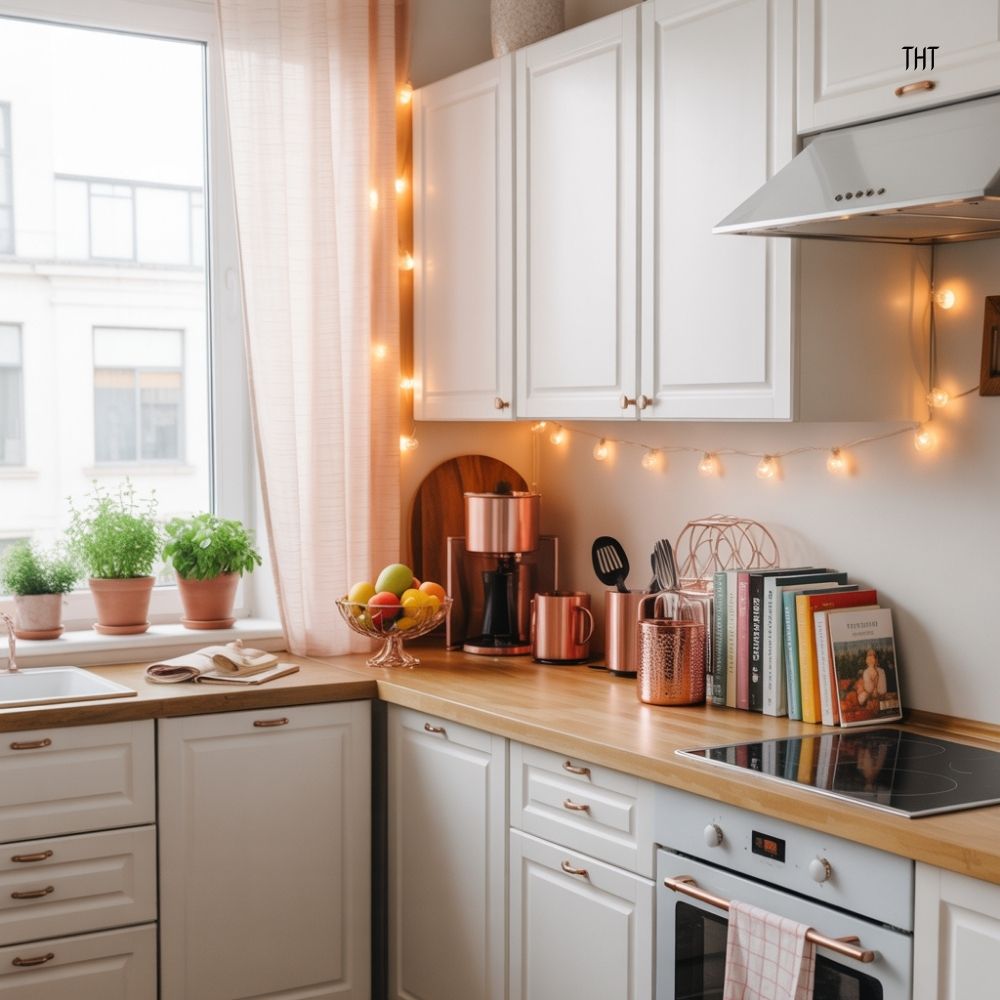
What matters more is how I feel standing in it, whether the space feels usable or confrontational, whether I can imagine myself moving through it without tightening.
If the counters feel crowded with unfinished business, or if the sink feels accusatory rather than neutral, that friction adds weight to the decision.
Some evenings, the kitchen feels cooperative, even if it isn’t pristine, and that’s often enough to tip me toward cooking something simple. Other nights, the room itself feels like it’s asking more than I have to give.
The Quiet Relief of Choosing Not to Cook
On nights when I decide cooking isn’t worth it, the relief is immediate and physical, which tells me the decision was probably the right one. My shoulders drop, my breath deepens, and the internal negotiation stops.
That relief doesn’t come from choosing something indulgent or exciting, but from choosing alignment, from acknowledging that effort has a cost and that sometimes the most supportive option is the one that asks the least.
What I eat on those nights is rarely memorable, but the absence of resentment is.
What “Not Cooking” Actually Looks Like
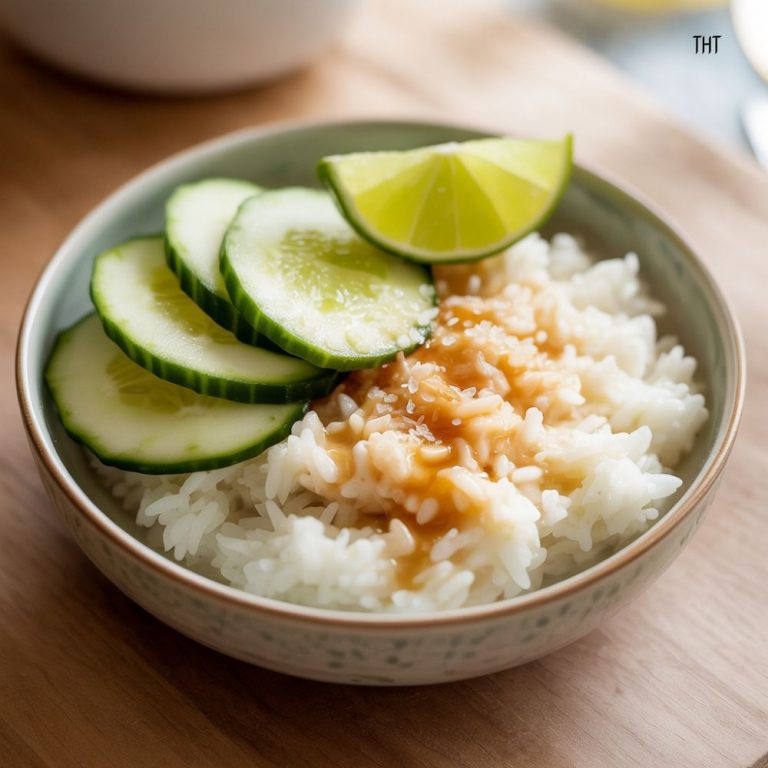
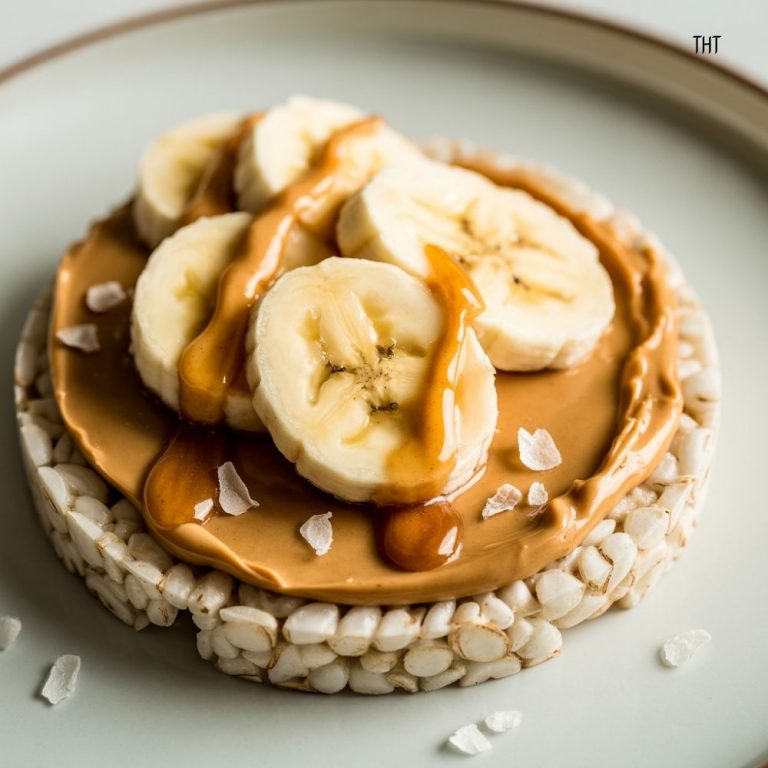
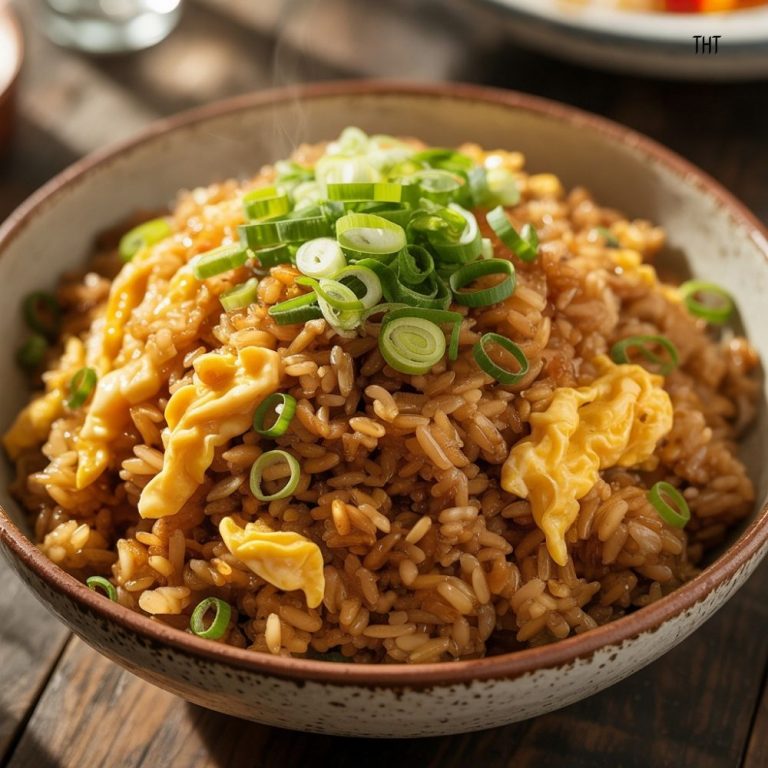
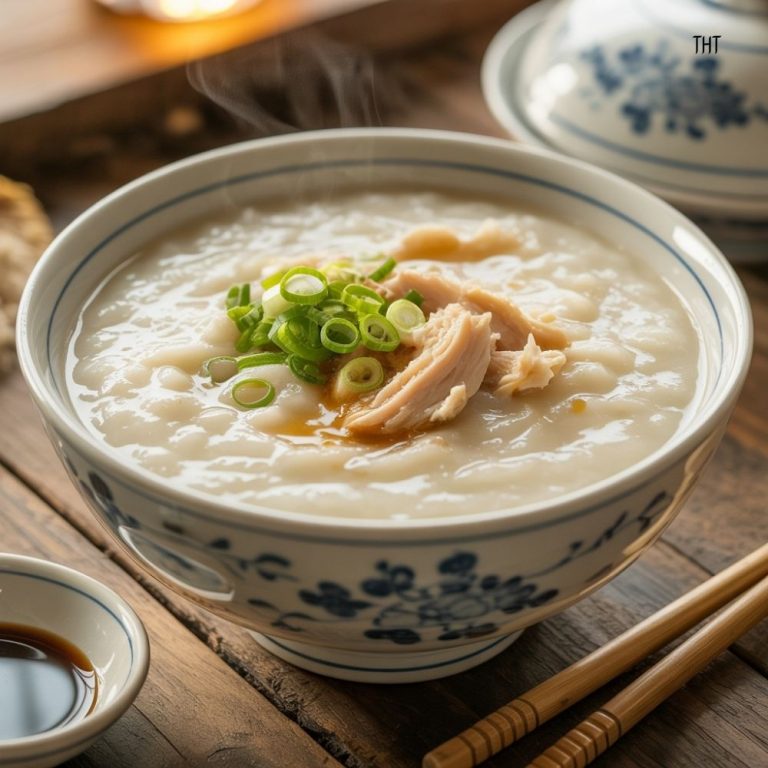
Not cooking doesn’t mean not eating, and it doesn’t mean defaulting to something chaotic or unsatisfying. It usually means choosing food that’s already done, already familiar, and already neutral, something warm and predictable that doesn’t require attention.
These meals don’t feel like compromises to me anymore. They feel like strategic pauses, ways of feeding myself without draining whatever capacity I have left.
The important part isn’t what I eat, but that the decision ends cleanly instead of lingering.
How This Changed My Relationship With Evenings
Learning how to decide whether cooking is worth it has made my evenings quieter in ways I didn’t expect. I spend less time standing in indecision, less time resenting the process, and less time mentally revisiting the choice afterward.
Even when I do cook, the experience feels more intentional, because it’s something I chose from capacity rather than obligation. That shift alone made cooking feel less like a test and more like an option.
What This Isn’t About
This isn’t about discipline, balance, or optimizing routines, and it isn’t about encouraging or discouraging cooking. It’s about recognizing that capacity fluctuates, and that pretending otherwise doesn’t make life smoother.
I don’t think cooking is inherently virtuous, and I don’t think convenience is inherently careless. What matters is whether the choice supports the version of me that’s actually present that evening.
Expectation vs Reality
I used to expect that adults simply cooked dinner every night and that anything less was a sign of disorganization or lack of effort. The reality has been more fluid and more forgiving, shaped by energy, attention, and the willingness to respond honestly to how the day has landed.
Cooking stopped being a measure of how well I was doing and became one of many ways I take care of myself, depending on the circumstances.
Conclusion
Deciding whether cooking is worth it tonight isn’t a moral question for me anymore, and it isn’t a test of discipline or care. It’s a moment of listening, of noticing whether effort will replenish or drain what’s left.
Some nights, cooking feels grounding and generous, and I step into the kitchen willingly. Other nights, choosing not to cook is the more honest form of care, and I let the decision end there without commentary.
Either way, the goal is the same, to feed myself without leaving resentment behind, and that, more than any meal, is what makes the evening feel complete.