The Difference Between Walking Alone and Walking With Someone
I noticed the difference on a stretch of sidewalk I’ve walked hundreds of times, the kind of route that barely registers anymore because my feet know it better than my thoughts do. That day, I walked it twice, once alone in the late afternoon and once later in the evening with someone else beside me,…
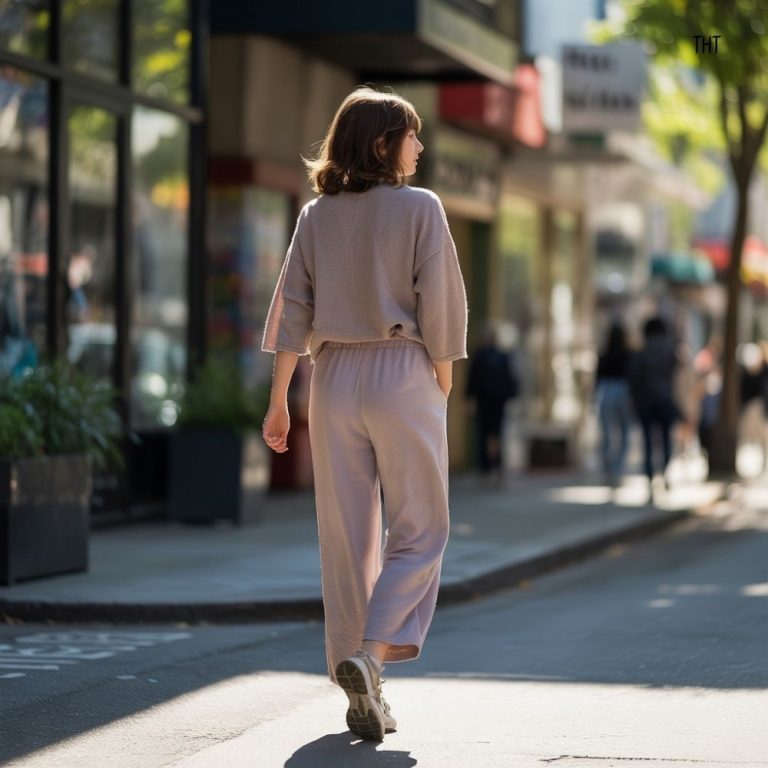
I noticed the difference on a stretch of sidewalk I’ve walked hundreds of times, the kind of route that barely registers anymore because my feet know it better than my thoughts do.
That day, I walked it twice, once alone in the late afternoon and once later in the evening with someone else beside me, and the contrast between those two walks stayed with me longer than I expected.
Nothing about the street changed, and nothing about the distance did either, but my experience of it was entirely different, which made me realize that walking is not just movement through space.
It’s also a negotiation of attention, pace, and presence, and who you’re walking with quietly determines where your awareness settles.
Walking Alone: How the World Feels Wider
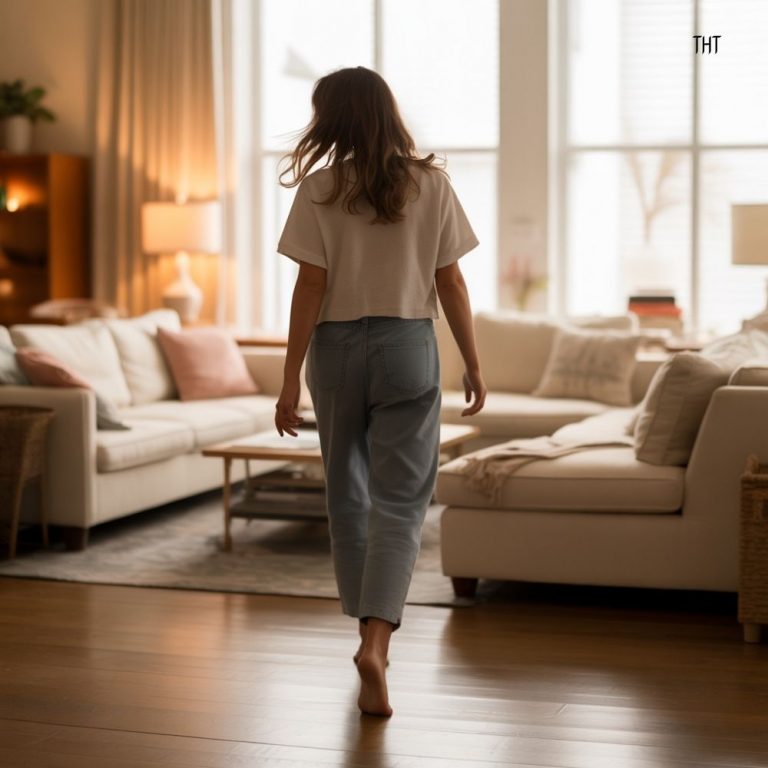
When I walk alone, my pace is irregular in a way I don’t notice until I’m paying attention. I speed up without realizing it, slow down when something catches my eye, and stop briefly at corners even when I don’t need to. My body leads, and my thoughts trail behind, loosely connected but not in charge.
That afternoon, walking alone felt expansive, not because I was thinking big thoughts, but because my attention was scattered outward.
I noticed the unevenness of the pavement, the sound of traffic shifting as I crossed streets, and the way the light changed when clouds moved overhead.
My mind drifted easily, not toward anything specific, but through half-formed thoughts that didn’t require resolution. Walking alone gave me space to be slightly unfocused, which felt natural rather than careless.
How My Body Moves When No One Is Matching Me
Without someone beside me, my body doesn’t need to coordinate, which means it doesn’t need to explain itself. My stride adjusts to how I feel rather than how I look, and I don’t notice how I’m holding myself unless discomfort interrupts.
There’s a subtle physical freedom in that lack of synchronization, because nothing is being calibrated. I don’t consider whether I’m walking too fast or too slow, or whether my steps line up with anyone else’s, and that absence of comparison makes the walk feel less intentional and more instinctive.
It’s not that I’m more confident alone, but that confidence isn’t relevant when no one else is sharing the rhythm.
Walking With Someone: How Attention Narrows
Later that evening, I walked the same route with someone else, and almost immediately, my awareness shifted inward. My pace adjusted without discussion, settling into something steady and predictable, and my attention moved from the surroundings to the space between us.
Walking with someone else creates a shared rhythm, and maintaining that rhythm requires subtle effort. I found myself staying in step, listening more than observing, and keeping my body oriented toward connection rather than exploration.
The world didn’t disappear, but it softened into background noise. The walk became less about where we were and more about how we were moving together.
The Quiet Work of Matching Another Person
There is quiet work involved in walking with someone, even when the relationship feels easy. I noticed how often I adjusted my speed to stay aligned, how I angled my body slightly toward them, and how my attention stayed alert in a way it hadn’t been earlier.
None of this felt burdensome or unpleasant, but it did feel structured, as if the walk had acquired a shape it didn’t have before. My body was no longer free to wander entirely on its own terms, because it was participating in a shared experience that required awareness and responsiveness.
That awareness felt relational rather than restrictive, but it was still effort.
How Conversation Changes the Walk
Conversation altered the texture of the walk even further, because talking anchored my attention in the present moment. I stopped noticing the sidewalk cracks and the light shifts.
I instead tuned into tone, timing, and response, adjusting my pace slightly when the conversation slowed or quickened.
Walking while talking created a kind of forward motion that felt purposeful, even though we weren’t headed anywhere specific. The movement supported the interaction, giving it momentum. That momentum subtly shaped how long we walked and where we turned.
The walk became a container rather than an open field.
What I Miss When I’m Not Alone
What I miss when I’m walking with someone is not solitude exactly, but diffusion. Walking alone allows my attention to spread out, to land on things briefly without commitment, and to move on without explanation.
With someone else, attention gathers instead of dispersing, which creates intimacy but also reduces wandering.
Neither is better, but they serve different internal needs. I realized that I often default to walking with people when what I actually need is the looseness that comes from being alone.
What I Gain When I’m Not Alone
At the same time, walking with someone offers something walking alone never does, which is shared presence.
There is comfort in moving through space with another person, in syncing pace without discussion, and in letting the walk become a backdrop for connection rather than the focus itself.
Walking with someone anchors me, reminding me to stay present rather than drift. The structure of shared movement creates a sense of containment that can feel grounding, especially on days when my thoughts are scattered.
Expectation vs Reality
I used to think the difference between walking alone and walking with someone was mostly emotional, tied to mood or companionship, but the reality is far more physical and attentional.
Walking alone disperses awareness, while walking with someone concentrates it, and each mode asks for something different from the body.
Understanding that has helped me choose more intentionally, not based on habit or convenience, but on what kind of experience I actually need in a given moment.
Conclusion
The difference between walking alone and walking with someone isn’t about preference, but about presence. One offers spaciousness, the other offers connection, and both are shaped by how attention moves when it’s shared or unshared.
Walking the same street twice showed me that movement is never just movement. That’s who you walk with, including yourself, quietly determines what you notice, what you carry, and what you leave behind with each step forward.