The Dish I Make So Often I Don’t Think of It as Cooking Anymore
There’s a point where a dish stops feeling like something you make and starts feeling like something you reach for, and once it crosses that line, it quietly exits the category of cooking altogether. It doesn’t carry intention or creativity anymore, and it doesn’t require a decision, which is exactly why it stays. For me,…
There’s a point where a dish stops feeling like something you make and starts feeling like something you reach for, and once it crosses that line, it quietly exits the category of cooking altogether.
It doesn’t carry intention or creativity anymore, and it doesn’t require a decision, which is exactly why it stays.
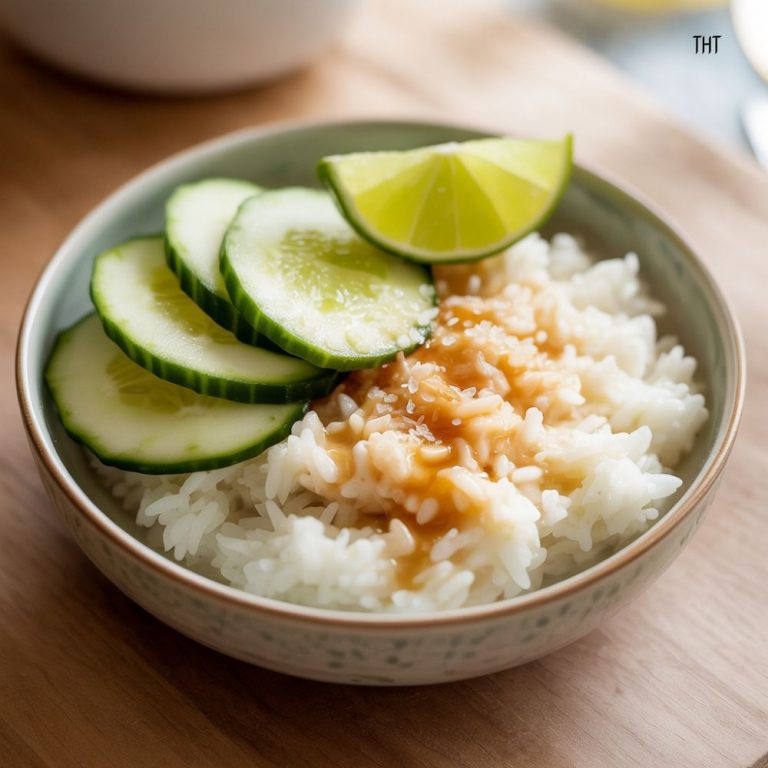
For me, that dish is soy sauce eggs with rice, something I’ve made so many times that my hands move before my thoughts do, and my brain doesn’t bother narrating the process because it no longer needs supervision.
I don’t plan it, crave it, or think fondly about it in advance, but when I’m hungry in a specific, understated way, it’s the first thing that appears.
How It Became Invisible
I don’t remember the first time I made soy sauce eggs with rice, which tells me everything I need to know about how it entered my life. It wasn’t a discovery or a moment of inspiration, and it didn’t arrive attached to memory or tradition.
It showed up during a period when I needed food that required almost nothing from me, and it stayed because it delivered exactly that without asking to be acknowledged. Over time, repetition smoothed out whatever novelty it once had, until it became part of the background, like brushing my teeth or tying my shoes.
At some point, I stopped telling myself I was cooking and started treating it as assembly, something closer to maintenance than expression.
What Making It Looks Like Now
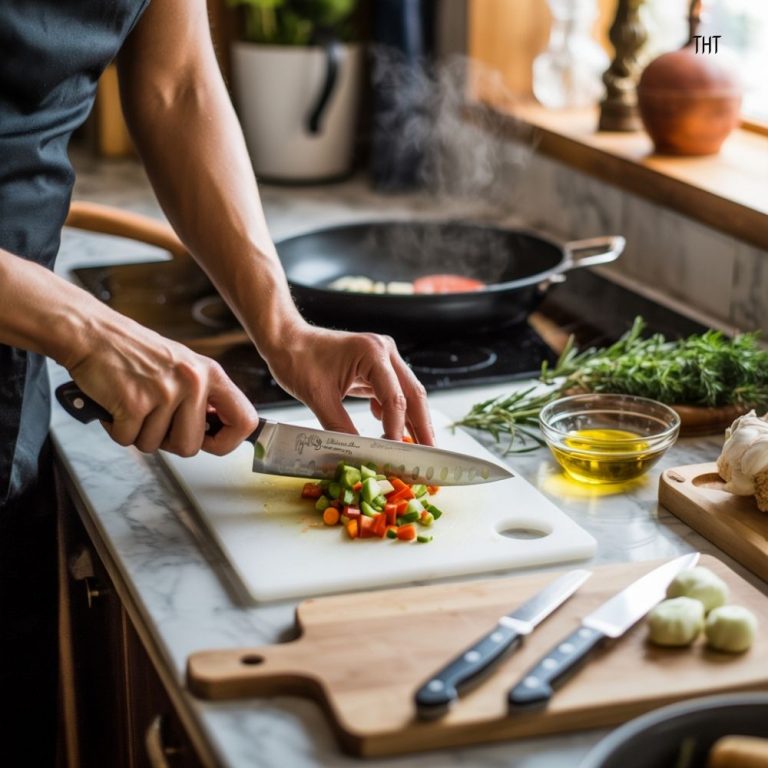
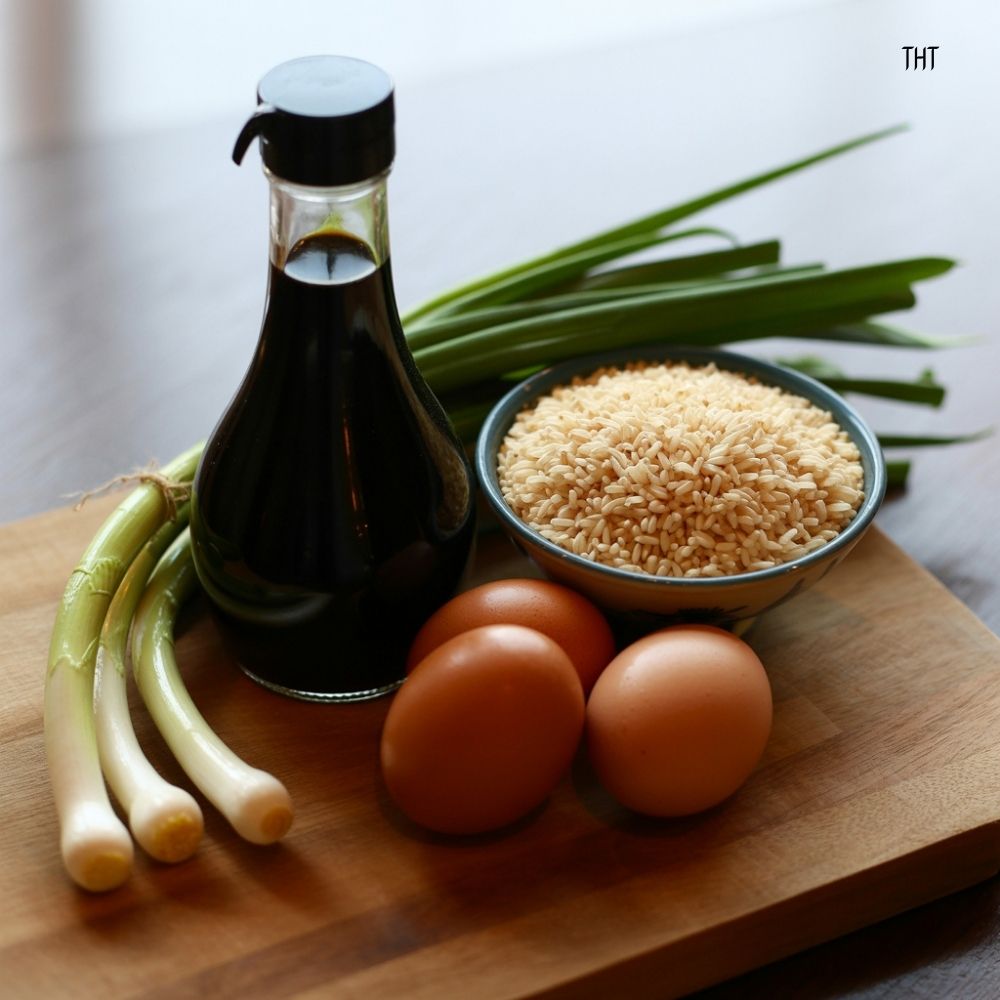
When I make soy sauce eggs with rice, I don’t announce it to myself or check what I have on hand, because I already know. Eggs, soy sauce, rice, and maybe a little oil if the pan feels dry, all of it moving from shelf to counter without deliberation.
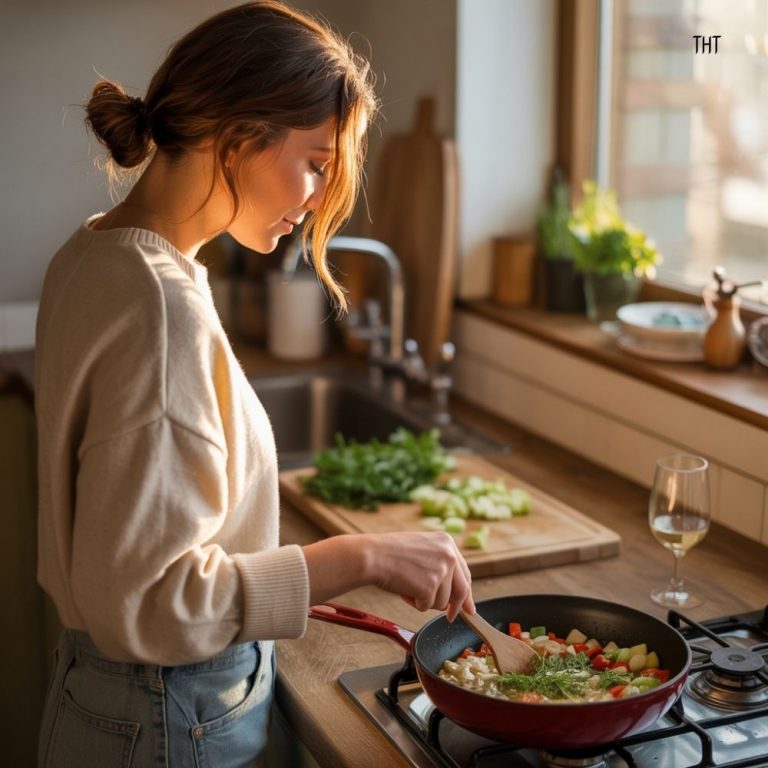
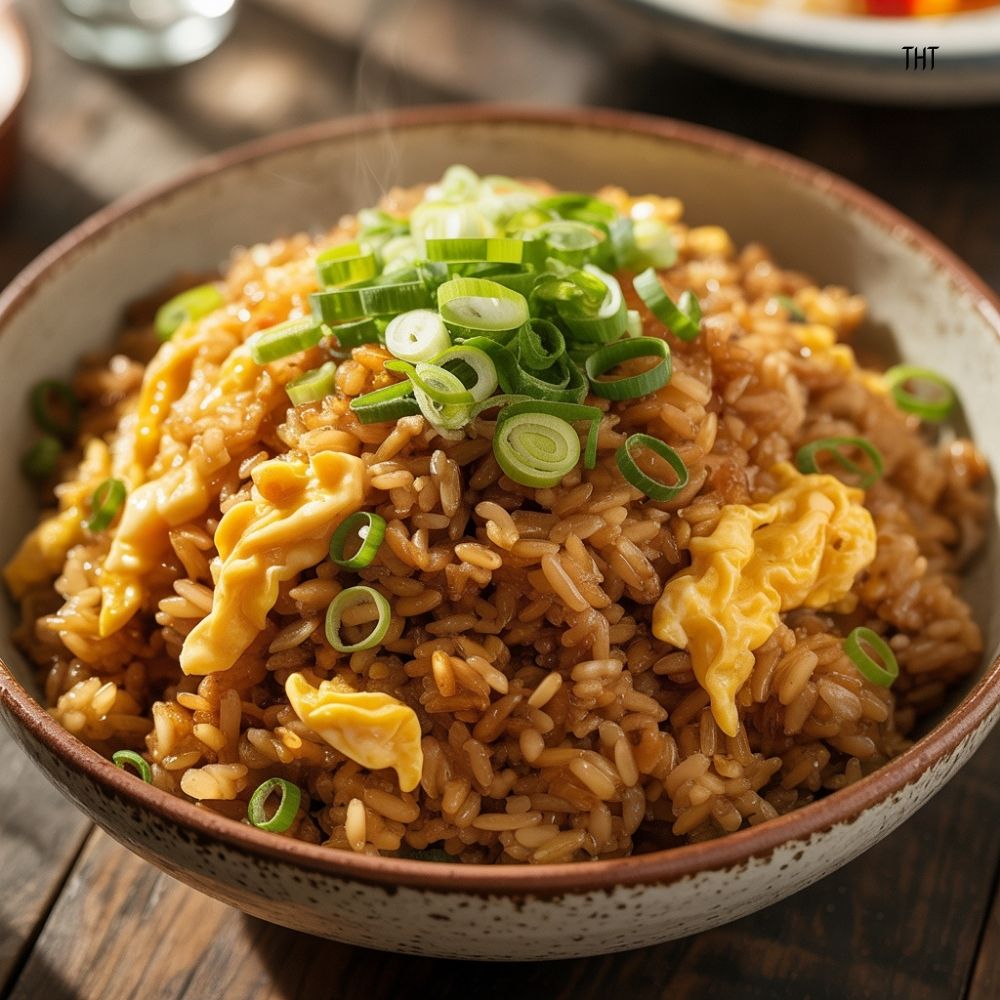
The rice is usually leftover, already cooked and waiting quietly in the fridge, and the eggs crack open cleanly because my hands have done it this way hundreds of times. I heat the pan, add a bit of oil, and let the eggs hit the surface without ceremony.
The soy sauce goes in by feel, not measurement, enough to deepen the color and add salt, but never enough to dominate, and then the rice joins everything else, warming through until the edges catch slightly on the pan.
I don’t taste as I go. I don’t adjust. I trust the process because it has earned that trust.
Why This Doesn’t Feel Like Cooking
Cooking usually asks for attention, timing, and a willingness to care about outcome, but this dish doesn’t require any of that. It turns out the same way whether I’m present or distracted, calm or irritated, which removes the emotional stakes entirely.
There’s no part of the process where I have to decide if it’s going well, and no moment where improvement feels necessary. The dish exists in a narrow range, and it lives comfortably there.
That predictability is the point.
The Kind of Hunger This Responds To
I make this dish when I’m hungry but not expressive about it, when appetite shows up as a low-level signal rather than a craving. It’s the hunger that comes after a long day of thinking, when my body wants fuel but my mind doesn’t want to negotiate.
On those nights, elaborate food feels intrusive, and novelty feels like work, but this dish meets me quietly, offering warmth, salt, and enough substance to bring my body back into focus.
I eat it without urgency, usually standing at the counter or sitting wherever I happen to land, and halfway through, I realize I’ve stopped thinking about food entirely.
How It Feels in My Body
Soy sauce eggs with rice lands gently, without the heaviness that makes me regret eating too late and without the lightness that leaves me unsatisfied. The warmth settles first, followed by a sense of grounding that’s more physical than emotional.
My shoulders drop. My jaw unclenches. The internal static quiets just enough to notice.
It’s not exciting, and it doesn’t try to be, but it does its job efficiently, which feels generous on days when efficiency is all I’m asking for.
The Difference Between This and Comfort Food
I used to think comfort food had to be emotionally loaded, something indulgent or nostalgic that softened the edges of a bad day, but this dish changed my understanding of what comfort can look like.
There’s no emotional crescendo here, no memory attached, and no sense of reward or escape. Instead, the comfort comes from reliability, from knowing exactly how it will feel before I take the first bite, and from trusting that it won’t ask for more attention than I can give.
That kind of comfort doesn’t announce itself, but it lasts longer.
The Times I Try to Replace It
Every so often, I decide I should cook something else, something that feels more intentional or adult, and I’ll start gathering ingredients with good intentions. Halfway through, I notice my energy thinning and my patience narrowing, and I realize I’ve chosen against myself.
Those are the nights when I end up wishing I’d made the eggs instead, not because the alternative was bad, but because it required more presence than I had available.
I don’t treat those moments as mistakes anymore. I treat them as reminders.
What This Dish Taught Me About Repetition
Making the same dish over and over taught me that repetition doesn’t dull experience, it stabilizes it. The more familiar this meal became, the less it demanded, and the less it demanded, the more useful it became.
I stopped expecting every meal to reflect creativity or care, and started letting some meals exist purely to support function. That shift took pressure off cooking as a whole, making room for variation when I actually wanted it.
Ironically, letting this dish be boring made the rest of my cooking more honest.
Eating It Alone vs With Someone Else
I almost always make this dish for myself, because it feels private in a way I don’t know how to explain. When I eat it alone, there’s no performance, no commentary, and no sense that the meal needs to mean anything beyond nourishment.
When I’ve made it with someone else around, I notice myself becoming slightly self-conscious, as if the simplicity requires explanation, which tells me how deeply we associate cooking with display.
Left alone, the dish makes sense without justification.
Conclusion
The dish I make so often, I don’t think of it as cooking anymore, isn’t impressive, expressive, or particularly memorable, and that’s exactly why it stays. Soy sauce eggs with rice exist outside of ambition, quietly doing what they’re supposed to do without asking for attention.
On the days when I need food to simply work, not inspire or impress, this dish meets me there, already familiar, already reliable, and already done asking questions, which, more often than not, is exactly what I need.