The Flavor I Crave When I’m Overstimulated
I don’t usually register overstimulation as stress or anxiety in the moment, because my body doesn’t present it that way. It shows up first as irritation with harmless things, an inability to decide what I want, and a faint buzzing under everything I’m doing, like too many tabs open but none of them loud enough…
I don’t usually register overstimulation as stress or anxiety in the moment, because my body doesn’t present it that way. It shows up first as irritation with harmless things, an inability to decide what I want, and a faint buzzing under everything I’m doing, like too many tabs open but none of them loud enough to close decisively.
By the time I name it as overstimulation, I’ve usually already adjusted my behavior in small, unconscious ways, speaking less, moving more efficiently, and narrowing my attention without realizing that’s what I’m doing.
The place where this shift becomes most obvious to me is food, not because I’m emotional about eating, but because flavor cuts through noise faster than thought does.
When everything feels like too much, there’s one specific flavor I start craving, and it has nothing to do with indulgence or distraction.
The Flavor Is Clean, Sharp, and Slightly Sour
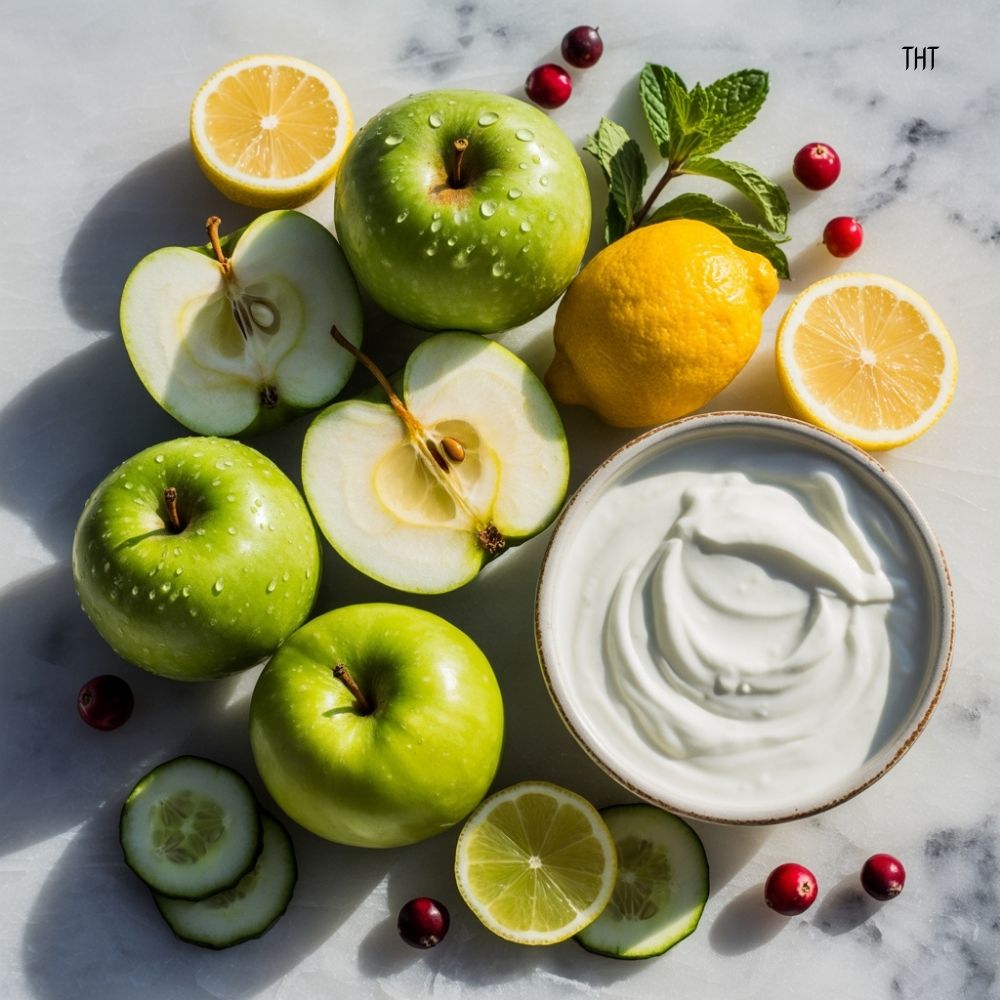
The flavor I crave when I’m overstimulated is clean and sharp, slightly sour, and unmistakably bright, something acidic enough to reset my mouth without overwhelming it. Not sweet, not spicy, not rich, and definitely not layered, because complexity only adds to the noise I’m already carrying.
It’s the taste of lime, rice vinegar, or tamarind, sometimes paired with salt, sometimes with something cool and neutral underneath, but always with that edge that makes my jaw unclench and my breathing slow without me consciously trying to relax.
The flavor doesn’t sentimentally soothe me. It interrupts me, which is exactly what I need.
How I First Noticed the Pattern
I didn’t notice this pattern all at once, and I definitely didn’t identify it as a craving tied to overstimulation. I just realized, over time, that when my day had been loud, crowded, or cognitively demanding, I kept reaching for the same types of foods without thinking about why.
I would open the fridge and bypass leftovers that were technically better meals, choosing instead something plain with acid and salt, and feel immediate relief that didn’t come from fullness.
The relief came from clarity, like wiping a fogged mirror rather than adding warmth. Once I noticed the repetition, I stopped trying to override it.
What Sweetness and Richness Feel Like When I’m Overstimulated
When I’m overstimulated, sweetness feels cloying instead of comforting, and richness feels heavy in a way that lingers longer than I want it to. Foods that normally feel grounding suddenly require effort, not to eat, but to tolerate.
It’s not that I don’t like them anymore. It’s that they ask for engagement when I’m already saturated. Sweetness wants attention. Fat wants time. Acid wants a second, and then it’s done.
That efficiency matters more than pleasure in that state.
The Specific Thing I End Up Making
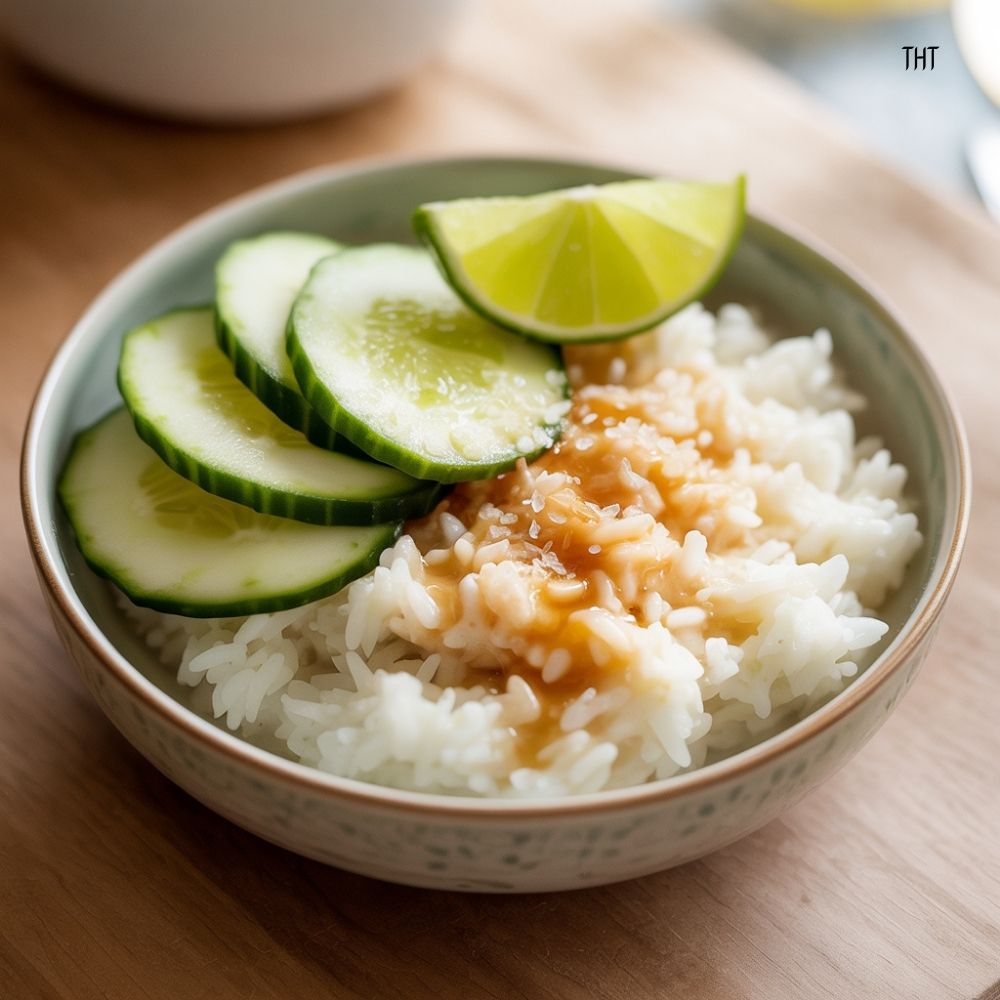
The thing I make most often when I’m overstimulated is a small bowl of cool rice with lime, salt, and a drizzle of sesame oil, sometimes with sliced cucumber if I have it, sometimes without. It’s not a recipe I planned. It’s something my hands learned before my brain caught up.
The rice is usually leftover and cold or just barely warm, because temperature matters when my nervous system is already busy. I squeeze fresh lime juice directly over it, sprinkle salt until it tastes clean rather than seasoned, and add just enough sesame oil to give the whole thing a soft edge without making it heavy.
I eat it slowly, standing or sitting, without multitasking, because the flavor does its job best when I let it.
Why Acid Works When Nothing Else Does
Acid works for me when I’m overstimulated because it creates a clear boundary in my mouth, a beginning and an end to the sensation, which mirrors what my brain is craving. Overstimulation blurs edges. Acid redraws them.
The first bite is always the same, sharp enough to make me pause, followed by a settling that feels physical rather than emotional. My shoulders drop. My jaw releases. The buzzing doesn’t disappear, but it recedes enough that I can feel where I am again.
It’s not calming in a spa-day way. It’s orienting.
How This Flavor Changes the Way I Eat
When I’m in this state, I don’t want to graze or snack continuously. I want one contained experience that resets me enough to move on. This flavor gives me that, because it doesn’t invite indulgence or repetition.
I don’t go back for seconds, not because I’m restricting myself, but because the signal has already landed. My body doesn’t ask for more once it’s heard what it needed.
That clarity is rare enough that I trust it.
What This Craving Tells Me About My Limits
This craving tells me that I’ve absorbed more than I can comfortably hold, even if nothing objectively stressful has happened. It’s a sign that my senses are tired, not my emotions, and that distinction has helped me respond more accurately instead of trying to solve the wrong problem.
When I listen to this signal, I don’t spiral into analysis or force rest prematurely. I simply reduce input, lower the volume on the day, and let the flavor do its quiet work.
Ignoring it usually means I stay overstimulated longer than necessary.
I don’t romanticize this craving or turn it into a ritual, because it’s not something I want to rely on constantly. It’s a response, not a lifestyle, and treating it as a personality trait would miss the point.
The flavor doesn’t fix overstimulation. It flags it early enough that I can adjust before everything feels frayed. That’s all it needs to do.
Expectation vs Reality
I used to expect comfort foods to be warm, rich, and nostalgic, something that wrapped around me and softened everything.
The reality is that when I’m overstimulated, what I need isn’t softness but precision, something that cuts cleanly through the excess and leaves me with fewer sensations to manage.
This flavor does that better than anything else I’ve tried.
Conclusion
The flavor I crave when I’m overstimulated isn’t about pleasure or escape. It’s about interruption, clarity, and drawing a line through the noise so my body can find its footing again.
I don’t analyze the craving when it shows up, and I don’t argue with it anymore. I follow it, let it do its work, and notice how much easier everything feels afterward.
It has taught me that sometimes the most helpful response to overstimulation isn’t rest or explanation, but one clean, decisive sensation that reminds me where my edges are.