The Gap Between Tattoo Symbolism Online and Tattoo Experience Offline
If you spend enough time around tattoo content online, it becomes easy to believe that every symbol arrives with a fixed meaning attached, as if choosing the right image is simply a matter of selecting the correct emotional definition from a shared cultural dictionary. A certain flower represents healing, a specific animal signals resilience, and…
If you spend enough time around tattoo content online, it becomes easy to believe that every symbol arrives with a fixed meaning attached, as if choosing the right image is simply a matter of selecting the correct emotional definition from a shared cultural dictionary.
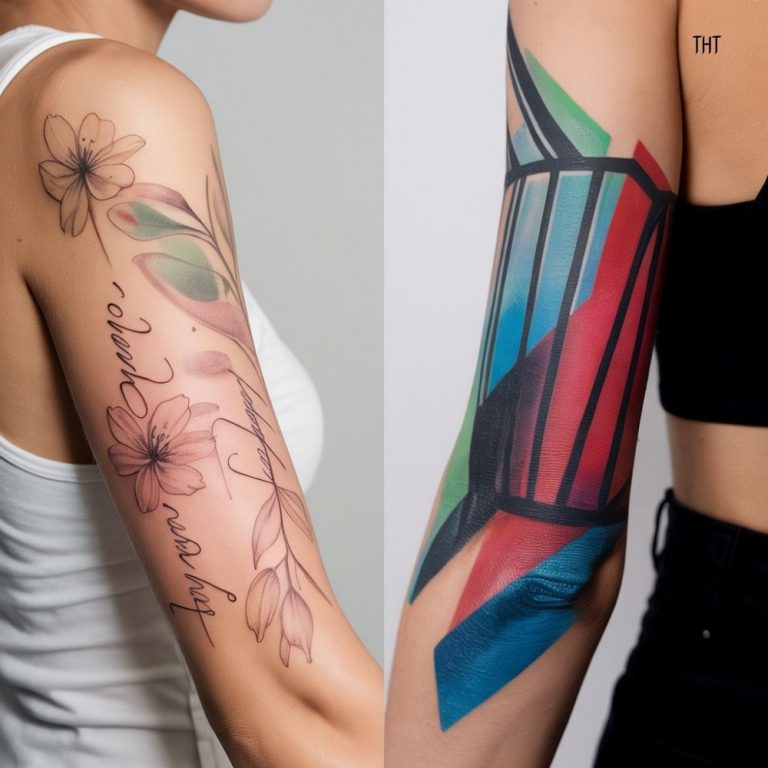
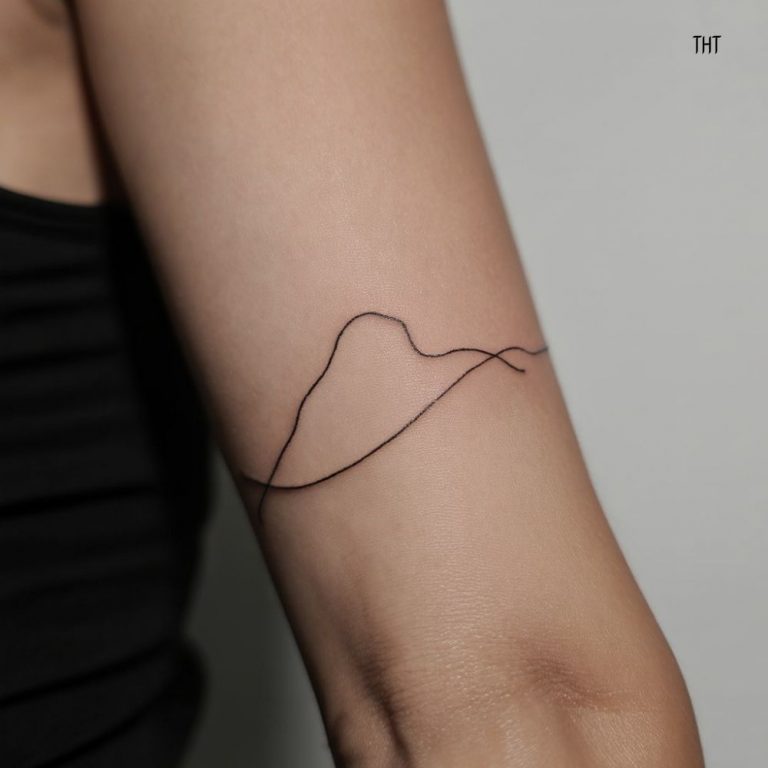
A certain flower represents healing, a specific animal signals resilience, and a minimalist line is supposed to quietly communicate depth, self-knowledge, and restraint without requiring explanation.
What tends to get lost in this environment is the fact that tattoos do not live online once they are placed on a body, and the experience of carrying them offline is rarely as neat or as emotionally legible as the symbolism suggests.
The gap between what tattoos are said to mean online and what they actually feel like to live with offline is one of the least discussed aspects of tattoo culture, even though it shapes long-term satisfaction far more than the symbol itself ever does.
How Tattoo Symbolism Gets Flattened Online
Online spaces reward clarity, repetition, and quick emotional recognition, which naturally pushes tattoo symbolism toward simplified interpretations that are easy to understand at a glance.
Symbols that can be summarized in a single sentence are shared more widely than those that require nuance, and over time those summaries begin to feel authoritative simply because they are familiar.
This process turns symbolism into something closer to branding than personal meaning, where a design is expected to communicate a specific message efficiently rather than hold space for ambiguity.
When the same explanation appears often enough, it starts to feel like a rule rather than a suggestion, even though symbolism has never actually worked that way in lived experience.
Why Offline Tattoo Experience Resists Simple Meaning
Offline, tattoos exist without captions, explanations, or audience validation, and that absence changes how meaning functions entirely.
A tattoo does not announce itself every day, nor does it consistently evoke the emotional state that inspired it, which means its significance often fades into the background of ordinary life rather than remaining front and center.
Meaning offline tends to be situational and cumulative rather than fixed, shaped by memory, repetition, and familiarity rather than symbolism alone.
A tattoo may feel deeply personal at one point and almost neutral at another, not because it has lost meaning, but because meaning does not behave consistently over time. This fluidity is difficult to represent online, which is why it is often ignored in favor of cleaner narratives.
The Pressure to Choose the “Right” Symbol
One of the consequences of online symbolism culture is the pressure it creates to choose a tattoo that feels emotionally correct on paper, rather than one that feels livable in practice.
When symbols are presented as universally meaningful, the decision process can shift away from personal resonance and toward alignment with accepted interpretations.
This pressure often leads people to overthink symbolism while underthinking longevity, because it feels safer to choose a design with an approved meaning than to sit with uncertainty.
The problem is not that symbolism is useless, but that it becomes misleading when it is treated as a guarantee of long-term emotional satisfaction.
How Meaning Actually Evolves Over Time
Offline, tattoo meaning tends to evolve quietly rather than dramatically, often becoming less narrative and more relational. What once felt like a statement may eventually feel like a familiar presence, and what once required explanation may no longer feel worth explaining at all.
This evolution does not mean the tattoo has failed or become irrelevant, but rather that it has integrated into the person’s sense of self in a way that no longer requires constant interpretation.
Online symbolism rarely accounts for this shift, because it focuses on origin stories rather than long-term coexistence.
Expectation vs Reality
The expectation created by online symbolism is that a tattoo’s meaning will remain clear, emotionally charged, and easily articulated over time, while the reality of offline experience is usually softer, quieter, and less definitive.
Many tattoos do not stop meaning something; they simply stop asking to be understood in the same way.
This difference can feel disorienting if you believe meaning should stay intense or explanatory, but it can also be grounding once you realize that permanence does not require emotional consistency.
Tattoos are not static messages, and expecting them to behave like one often creates unnecessary disappointment.
Why This Gap Matters More Than Design Choice
Understanding the gap between online symbolism and offline experience matters because it shifts the focus from choosing the perfect symbol to choosing something you can live with comfortably.
A tattoo that feels good to carry, even when its meaning is quiet or undefined, often outlasts one chosen primarily for its symbolic clarity.
When people are prepared for meaning to evolve, fade, or settle into neutrality, they are less likely to feel confused or dissatisfied later. The issue is rarely the tattoo itself, but the expectations attached to it.
Who This Perspective Is For
This way of thinking about tattoos suits people who are comfortable with ambiguity and who do not need their tattoos to consistently communicate a clear message to others.
It works well for those who see tattoos as companions rather than declarations, and who are open to meaning changing without needing to be replaced.
If you want your tattoo to always feel emotionally intense, symbolically precise, or easy to explain, the gap between online symbolism and offline experience may feel frustrating.
This perspective may not suit anyone who relies heavily on fixed meanings or who expects their tattoos to serve as stable identity markers.
Conclusion
The gap between tattoo symbolism online and tattoo experience offline is not a flaw in tattoo culture, but a reminder that meaning behaves differently in real life than it does on screens.
Symbols can guide decisions, but they cannot predict how a tattoo will feel once it becomes part of daily existence.
When tattoos are approached with an understanding that meaning is flexible rather than fixed, they tend to settle more comfortably into real life. They are allowed to simply exist without needing to constantly explain themselves.