The Tattoo I Notice More When I’m Tired Than When I’m Confident
I did not notice this pattern right away, because it took repetition to become obvious, and repetition rarely announces itself as insight when it first appears. Over time, though, I began to realize that there is one tattoo I am far more aware of when I am tired than when I am confident, and that…
I did not notice this pattern right away, because it took repetition to become obvious, and repetition rarely announces itself as insight when it first appears.
Over time, though, I began to realize that there is one tattoo I am far more aware of when I am tired than when I am confident, and that difference has very little to do with how the tattoo looks and almost everything to do with how much internal energy I have available to interpret myself.
When I feel grounded, rested, and steady, the tattoo barely registers, existing as part of my body without asking for commentary, but when I am depleted, distracted, or stretched thin, it suddenly becomes louder, more present, and harder to ignore.
That contrast has taught me something I did not expect to learn from ink, which is that perception shifts long before meaning does, and energy levels quietly decide what parts of ourselves we notice most.
The Tattoo and How It Entered My Life
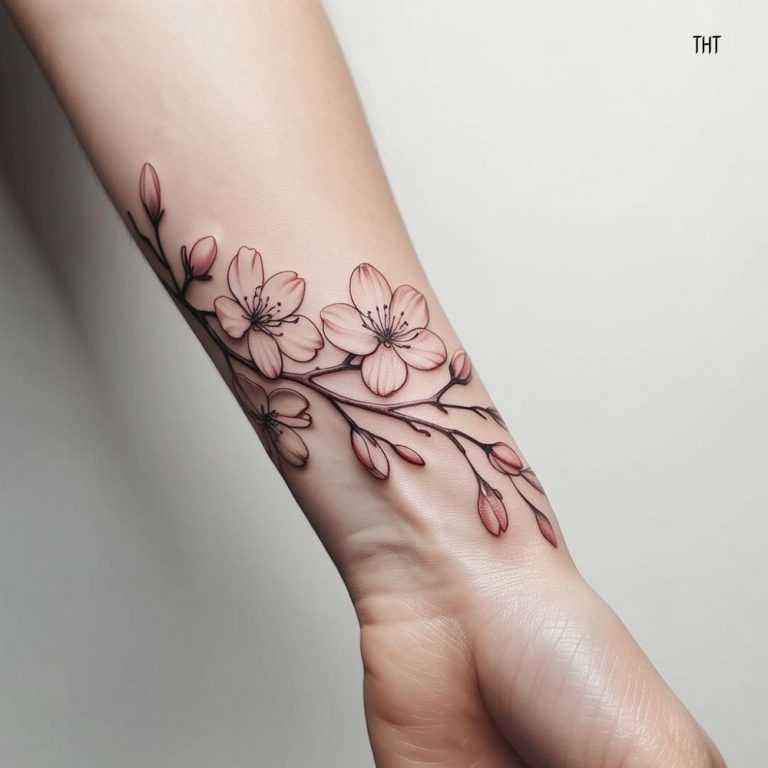
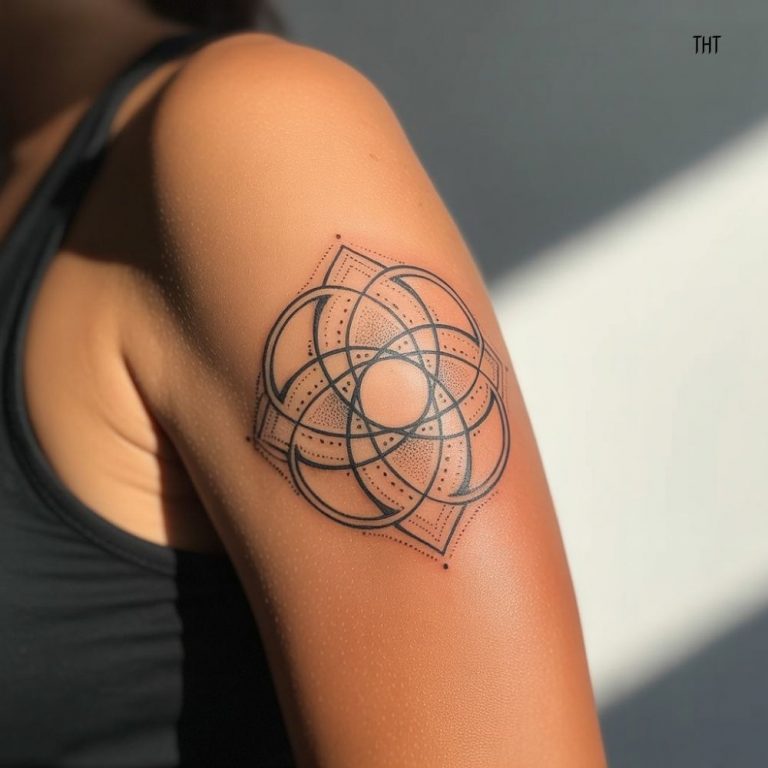
The tattoo sits on my inner forearm, placed there intentionally because it felt accessible without being performative, visible enough for me to see without requiring explanation from anyone else.
It is a fine line design, simple and restrained, composed of a small abstract symbol that does not immediately announce what it represents, which appealed to me at the time because I was more interested in containment than expression.
I got it during a phase of my life when I was functioning well on the outside but felt mentally overextended on the inside, managing multiple responsibilities while telling myself that competence was the same thing as capacity.
The decision did not come from a dramatic emotional moment, but from a quieter sense that I wanted something consistent, something that would stay still even when my attention was constantly being pulled elsewhere.
The appointment itself was calm and efficient, and I remember leaving the studio feeling composed rather than energized, which in hindsight mirrors how the tattoo has behaved ever since.
Why I Barely Notice It When I Feel Confident
On days when I feel confident, which usually coincides with feeling rested and internally resourced, the tattoo fades almost completely into the background of my awareness. It is still there, of course, but it does not draw my attention because nothing about it feels unresolved or demanding.
Confidence, I have learned, narrows focus in a useful way, allowing you to move through your body without constantly checking in on how you are being perceived or held together.
When that internal steadiness is present, the tattoo functions exactly as intended, existing without asking to be interpreted, explained, or reassessed.
In those moments, I am not using the tattoo as a reference point for anything, because I am not looking for reassurance, grounding, or confirmation of self, and without that need, the tattoo simply rests.

What Changes When I’m Tired
When I am tired, however, the relationship shifts in a subtle but consistent way, because fatigue loosens the boundaries that usually keep perception streamlined.
My attention becomes more diffuse, my internal filters weaken, and I start noticing things not because they matter more, but because I have less energy to ignore them.
On those days, the tattoo becomes more present, not visually louder, but psychologically closer, as if it is moving into the foreground simply because my mind has fewer places to rest.
I find myself glancing at it absentmindedly, feeling its presence more acutely, and sometimes questioning it in ways I do not when I feel strong.
The tattoo has not changed, but my capacity has, and that difference alters the way meaning circulates.
How Fatigue Changes Interpretation
Fatigue does something specific to interpretation, because it narrows tolerance for ambiguity while simultaneously increasing sensitivity.
When I am tired, I am more likely to look at the tattoo and wonder what it says about me now, whether it still fits, or whether it reflects something I have outgrown, even though those questions do not feel urgent or relevant when I am well-rested.
This does not mean the tattoo becomes a problem, but it does become a point of contact, a place where internal uncertainty can land briefly before moving on. In that sense, the tattoo acts less like a symbol and more like a surface, catching whatever emotional residue happens to be passing through at the time.
Confidence as Distance
Confidence creates distance between self and symbol, which I used to think was a negative thing, but now recognize as a form of health. When I am confident, I do not need the tattoo to reflect me back to myself, because that reflection is already available internally.
Distance does not mean disengagement, but rather the absence of urgency, and that absence allows the tattoo to exist without pressure. It is not that I value it less when I am confident, but that I rely on it less, which makes its presence feel lighter and more neutral.
Tiredness as Proximity
Tiredness, on the other hand, collapses distance, bringing things closer than they normally sit, and that proximity can feel intimate or uncomfortable depending on what surfaces.
The tattoo becomes one of those nearby things, not demanding attention, but available for it, which is sometimes enough to make it feel heavier than it actually is.
I have come to understand that this is not a flaw in the tattoo or a sign that its meaning is unstable, but a reflection of how perception changes when energy is low. The tattoo is not revealing something new; it is simply closer to the surface when my internal buffers are thinner.
What This Taught Me About Living With Tattoos
Living with this tattoo long enough to notice this pattern has taught me that tattoos do not carry meaning in isolation, but interact constantly with mood, energy, and context.
They are not static messages, but responsive objects, reflecting not who we are, but how we are at any given moment.
This realization has made me more patient with moments of discomfort or over-awareness, because I no longer see them as evidence that something is wrong. Instead, I see them as indicators of capacity, signaling when I need rest rather than reinterpretation.
Expectation vs Reality
I once expected tattoos to feel emotionally consistent, always landing in the same place regardless of circumstance, because permanence is often framed as stability.
The reality has been more nuanced, with tattoos acting less like anchors and more like mirrors, quietly reflecting internal states without demanding resolution.
That reality feels more honest than the expectation ever did, because it allows tattoos to exist as part of a living system rather than as fixed declarations.
Conclusion
The tattoo I notice more when I am tired than when I am confident has taught me less about ink and more about attention, showing me how energy quietly shapes perception long before meaning comes into question.
It has reminded me that awareness increases not when something changes, but when our ability to hold it comfortably decreases.
In that sense, the tattoo has become a quiet diagnostic tool rather than a declaration, reflecting back not who I am, but how I am, which feels like a far more useful function than I ever expected when I first chose to make it permanent.