What Staying Still Taught Me About Permanence
I used to think permanence revealed itself through action, through big decisions and visible commitments, the kinds of moments you could point to later and say, that’s when it became real. What I didn’t expect was how much permanence would teach me by asking me to stay still instead, not metaphorically, but literally, through the…
I used to think permanence revealed itself through action, through big decisions and visible commitments, the kinds of moments you could point to later and say, that’s when it became real.
What I didn’t expect was how much permanence would teach me by asking me to stay still instead, not metaphorically, but literally, through the physical act of not moving, not adjusting, and not interrupting a process once it had begun.
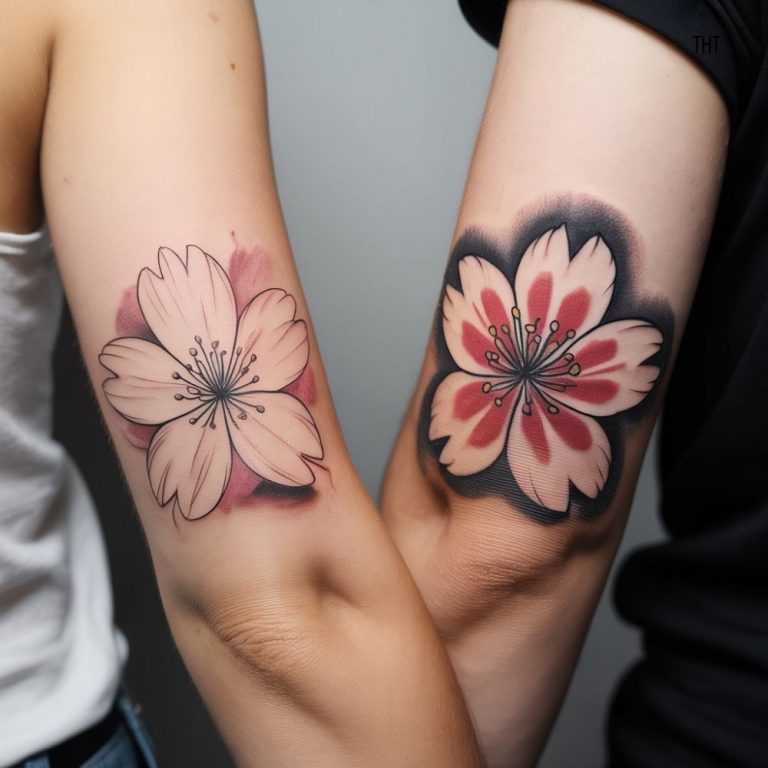
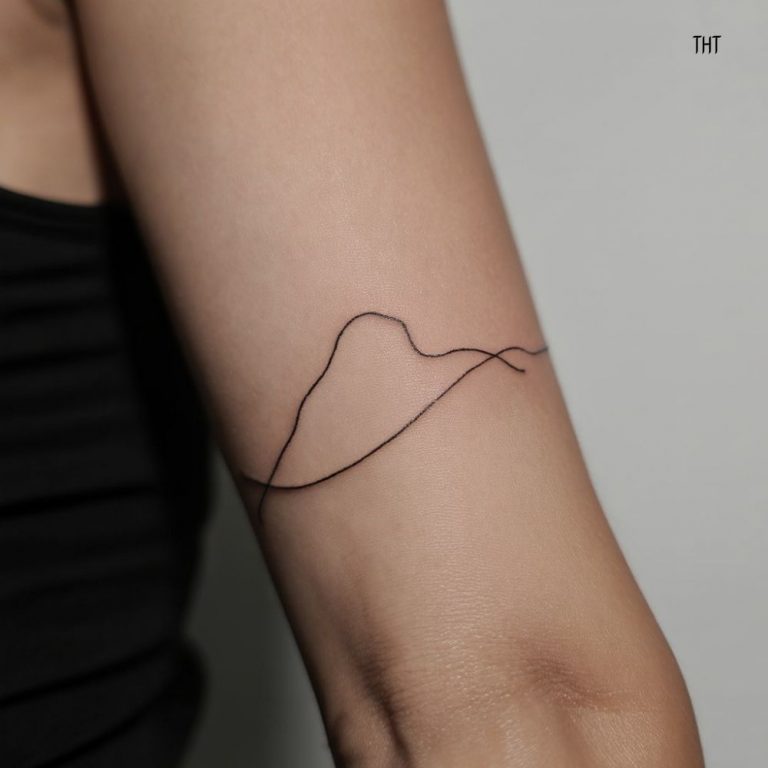
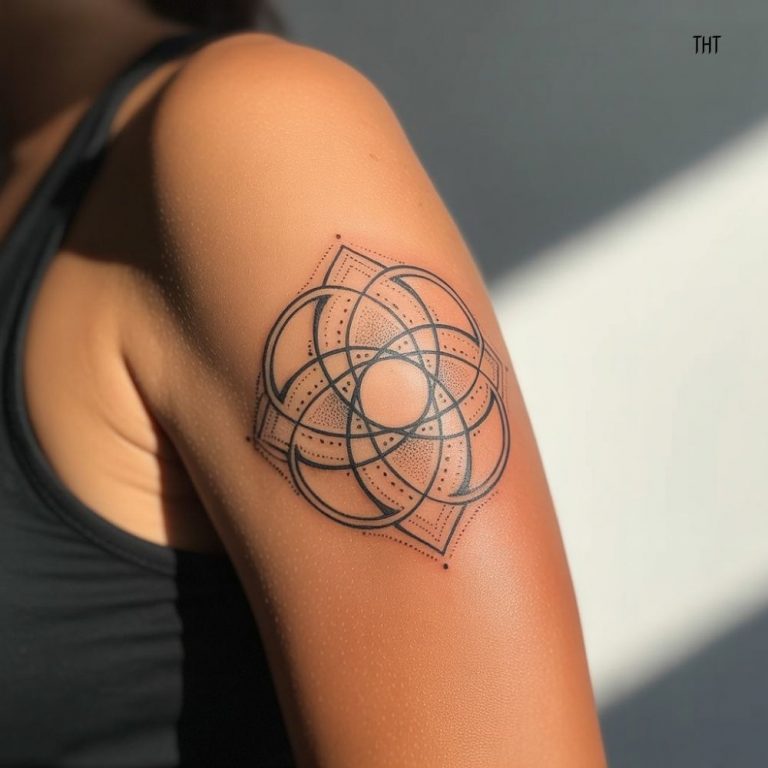
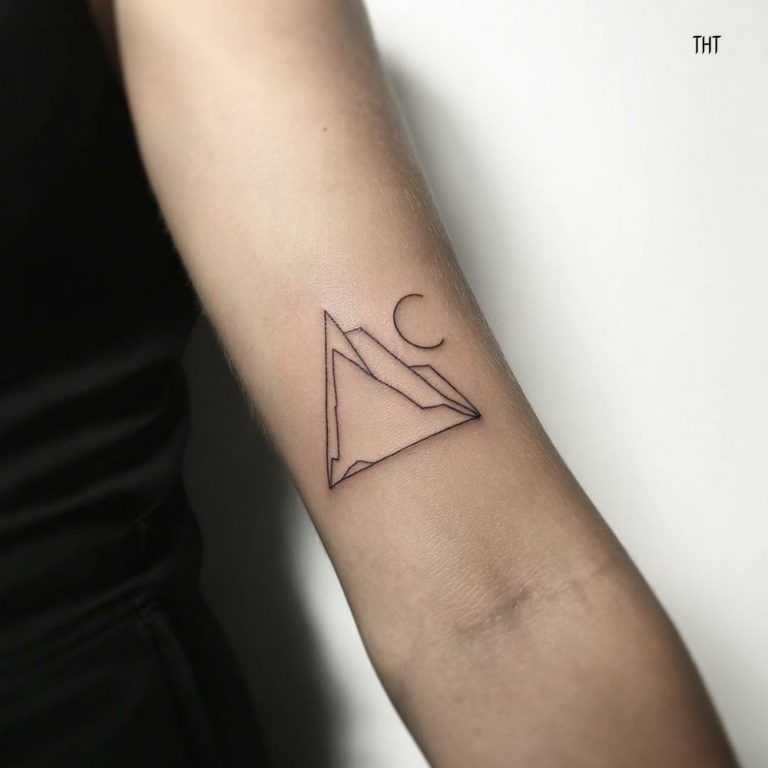
I learned this most clearly while being tattooed, but the lesson extended far beyond the chair, because staying still is never just about the body. It’s about what happens when you remove your usual escape routes and let time pass without interference.
The First Time I Noticed Stillness as a Choice
During my first tattoo, I assumed staying still was simply a requirement, something you endured so the artist could do their job, and I treated it like a technical challenge rather than an internal one.
I focused on not flinching, not shifting my weight, not disrupting the line, believing that if I controlled my body well enough, the rest would take care of itself.
What I didn’t realize at the time was how unfamiliar that level of stillness actually was for me, especially without distraction. I wasn’t scrolling, talking, or mentally skipping ahead to the end.
I was present in a way that felt oddly exposed, because nothing was buffering me from the sensation or the time passing around it.
That was the first moment I felt permanence arriving not as an idea, but as a physical condition.
What Stillness Feels Like When You Can’t Exit It
Staying still during a tattoo isn’t dramatic. There’s no single peak moment where you suddenly understand what you’re doing. Instead, there’s a gradual narrowing of attention, where movement stops being an option and sensation becomes something you have to coexist with rather than react to.
I noticed how my instincts kept offering small exits, shifting my arm slightly, adjusting my posture, finding a more comfortable position, and how each of those instincts had to be gently overridden. Not forcefully, but consistently, in a way that required trust rather than control.
That coexistence with discomfort, mild but persistent, taught me that permanence doesn’t demand intensity. It demands endurance.
The Difference Between Waiting and Staying
There’s a difference between waiting for something to be over and staying with it while it happens, and that difference became clear to me in those long stretches of stillness.
Waiting keeps your attention pointed toward the future, counting down, looking for relief. Staying keeps you anchored in the present, even when the present is repetitive and slightly uncomfortable.
When I stayed, time moved differently. It didn’t speed up or slow down, but it stopped feeling like something I needed to manage. The minutes stacked quietly instead of dragging, and I realized how often I try to negotiate with time instead of letting it pass.

How the Body Understands Permanence Before the Mind
My body understood permanence before my mind ever framed it that way. While my thoughts drifted in and out, my body stayed committed, holding the position, absorbing the sensation, and cooperating with a process that had a clear, irreversible outcome.
Something was grounding about that cooperation, about participating in something that would not be undone or adjusted later, especially in a life where so much can be revised, edited, or abandoned halfway through.
Stillness gave permanence a shape I could feel, rather than a concept I had to agree with.
After the Needle Stops
What surprised me most wasn’t the tattoo itself, but the moment after the needle stopped, when movement returned as an option and I didn’t rush to take it.
I stayed still a moment longer than necessary, not out of caution, but because I needed a second to register that something permanent had happened without requiring a dramatic reaction.
There was no rush of emotion, no sense of finality, just a quiet acknowledgment that something had settled into place. The permanence wasn’t loud. It was already integrated.
That moment taught me that permanence doesn’t announce itself. It simply arrives and stays.
How This Changed the Way I Think About Commitment
Before that experience, I associated commitment with effort, intention, and ongoing motivation, believing that staying committed meant constantly reaffirming the choice.
Stillness challenged that idea by showing me a different model, one where commitment is something you enter once and then inhabit, without constant reinforcement.
Once the tattoo was done, I didn’t need to think about it every day to remain committed to it. It existed regardless of my attention, which made it feel less fragile than commitments that require regular maintenance to survive.
Permanence, in that sense, felt stabilizing rather than restrictive.
Stillness Outside the Tattoo Chair
I started noticing how rarely I allow myself that kind of stillness elsewhere, how often I move, adjust, optimize, or escape the moment something becomes uncomfortable or dull.
I fill silence, shift positions, check my phone, or mentally skip ahead, treating stillness as something to get through rather than something to stay with.
Remembering how stillness had supported permanence during tattooing made me more curious about what I might be avoiding by constantly staying in motion. Not everything needs to be solved or softened. Some things need to be witnessed without interference.
Permanence Isn’t Pressure, It’s Presence
One of the biggest misconceptions I had about permanence was that it required pressure, that choosing something lasting meant committing under strain or certainty. Staying still taught me the opposite, that permanence often settles most naturally when you’re present enough not to interrupt it.
The tattoo didn’t demand that I feel confident or resolved. It only required that I stay where I was and let the process complete itself.
That distinction changed how I relate to lasting choices in general.
Conclusion
Staying still taught me that permanence isn’t something you force or fully understand in advance. It’s something you allow by not interrupting the process once it’s begun, by trusting your earlier decision enough to remain present while it settles.
The tattoo didn’t teach me this through symbolism or meaning, but through minutes of stillness that asked nothing from me except cooperation.
That lesson has stayed with me longer than the sensation ever did, shaping how I think about commitment, choice, and the quiet power of not moving when everything in you wants to.